Category Archives: Park Slope

The truth and spring-time

April is the cruellest month, breeding
Lilacs out of the dead land, mixing
Memory and desire, stirring
Dull roots with spring rain.

These, I, singing in spring, collect for lovers
Collecting, I traverse the garden, the world—but soon I pass the gates,
Now along the pond-side—now wading in a little, fearing not the wet …

Everything here is yellow and green
the ground, that winter nightmare,
has cured its sores and burst
with green birds and vitamins

The bees are flying. They taste the spring.

I took a broken root to fling
Where the proud, wayward squirrel went,
Taking delight that he could spring

Oh, give us pleasure in the flowers to-day;
For this is love and nothing else is love,
The which it is reserved for God above

Notes and Credits

T. S. Eliot, The Waste Land, ll. 1-4

Walt Whitman, Leaves of Grass, #38, These, I, Singing in Spring, ll. 1, 4-5

Anne Sexton, It is a Spring Afternoon, ll. 1, 30-32

Sylvia Plath, Wintering, l. 50

W. B. Yeats, An Appointment, ll. 2-4

Robert Frost, A Prayer in Spring, ll. 1, 13-14

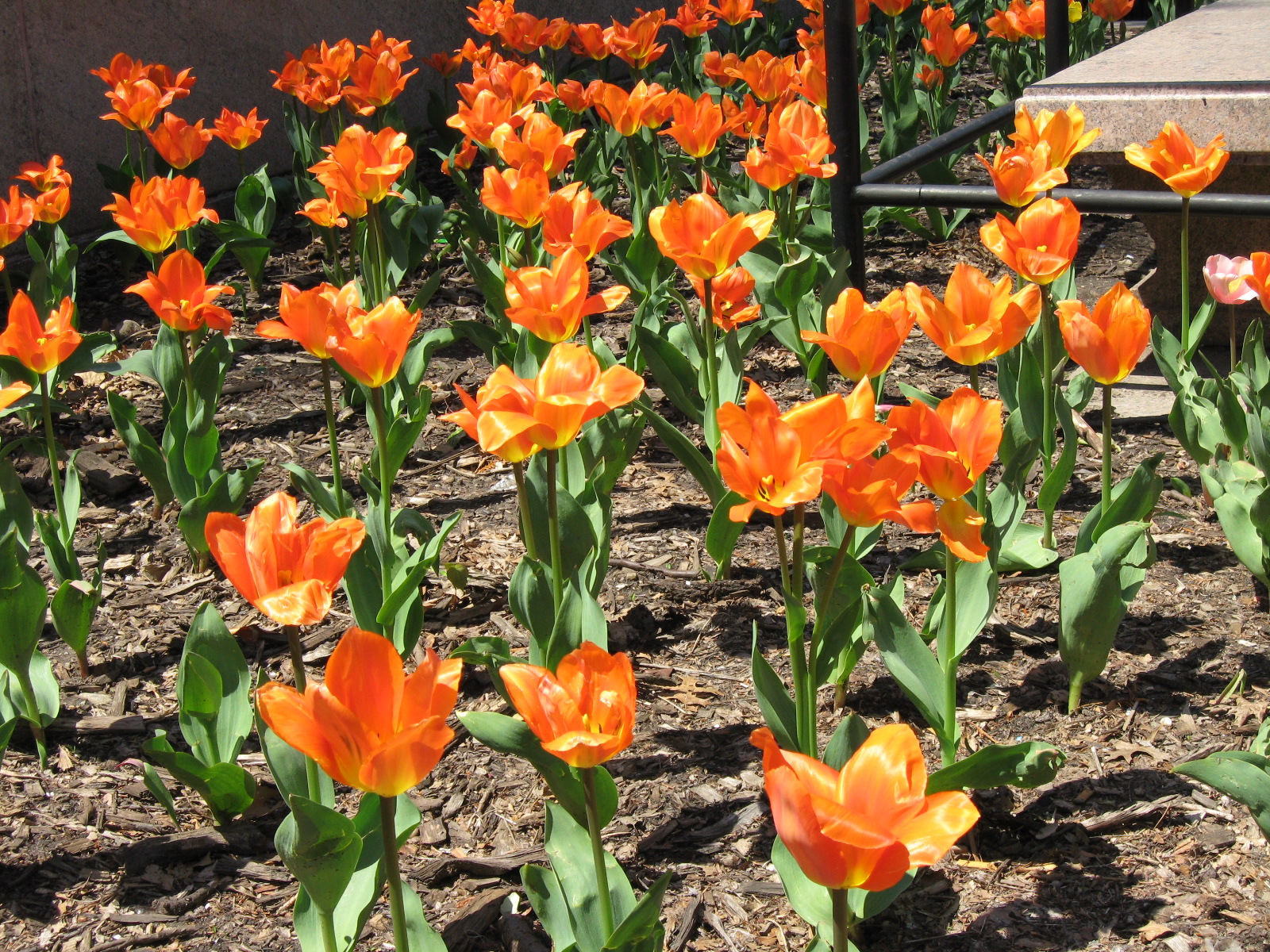
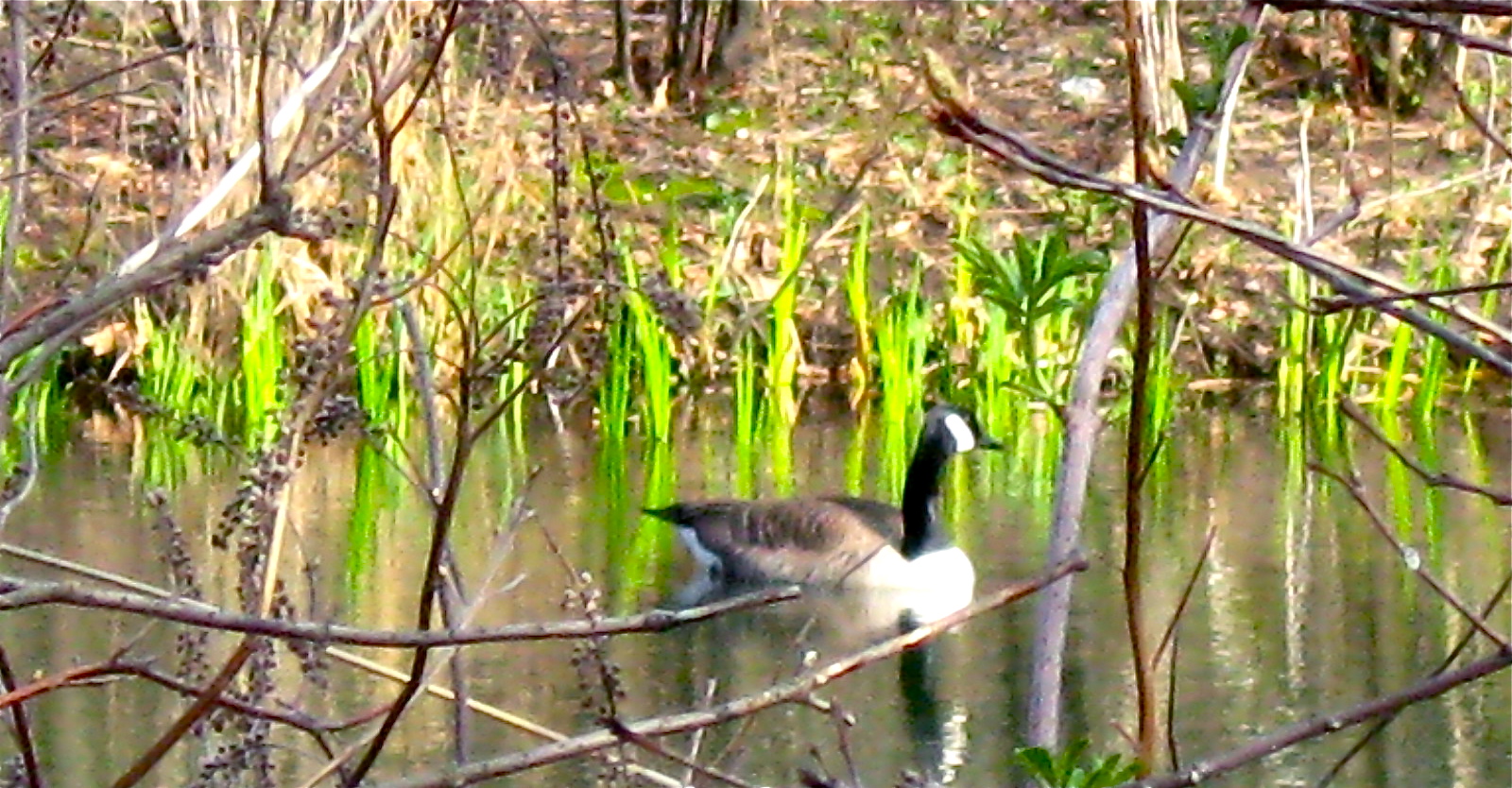
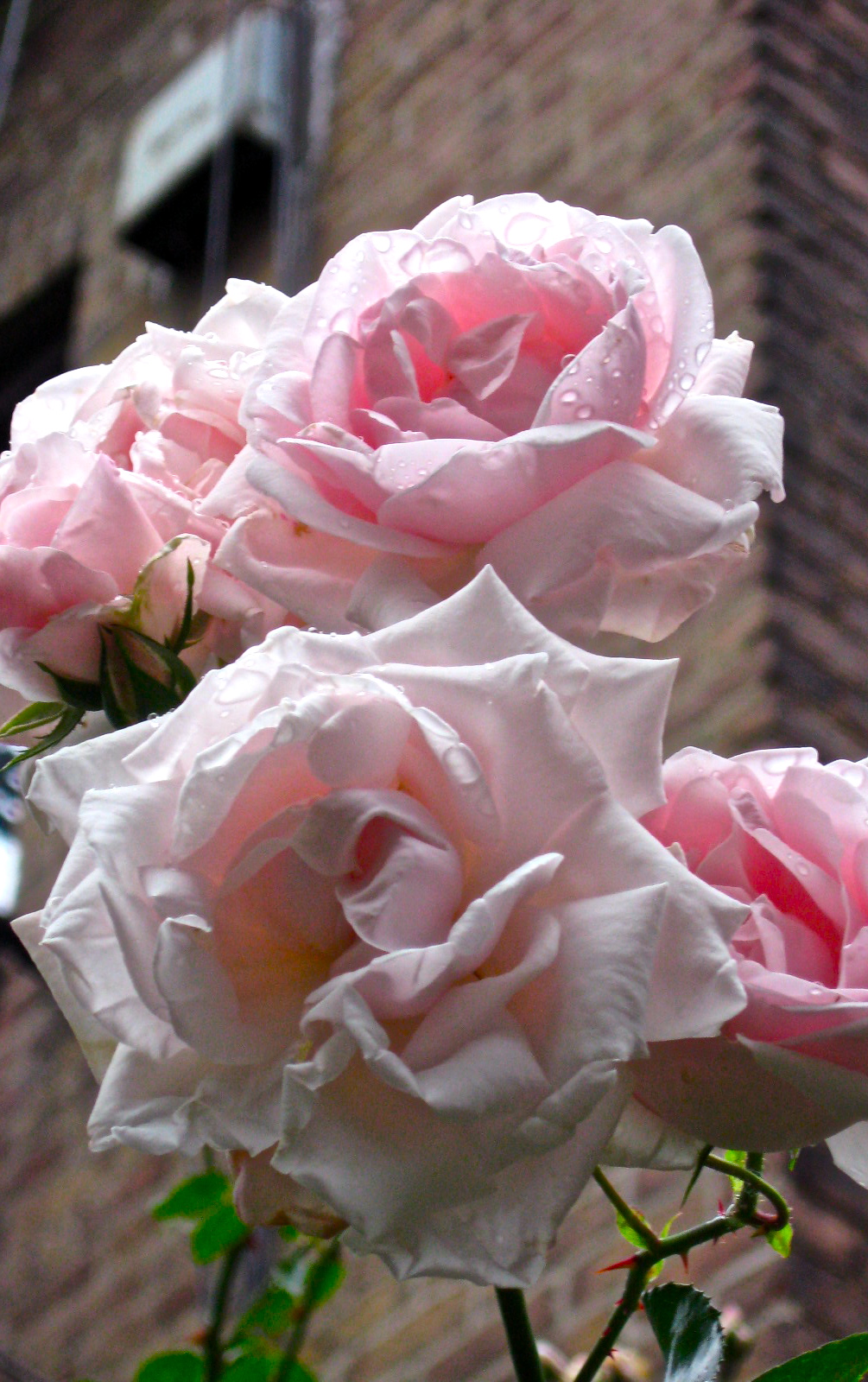
All the photos were taken by the writer in Prospect Park, Brooklyn – except for the white roses, which bloom every year in Tom and Laura’s backyard in Park Slope, Brooklyn.  The squirrel is the most recent, taken as he chopped up and dropped leaves and twigs and flowers on all of us baseball parents while our children were at practice last week.

For the W. B. Yeats poem, I credit Jim Tolstrup, who posted on this poem and squirrels and anarchy a couple months ago.

9 Comments

Filed under beauty, life, love, Park Slope, poetry, truth

The truth and every purpose

February 10 , 2010

There is an appointed time for everything,
and a time for every affair under the heavens.

A time to be born, and a time to die;
a time to plant, and a time to uproot the plant.

April 21, 2010

A time to kill, and a time to heal;
a time to tear down, and a time to build.

A time to weep, and a time to laugh;
a time to mourn, and a time to dance.

October 31, 2009

A time to scatter stones, and a time to gather them;
a time to embrace, and a time to be far from embraces.

A time to seek, and a time to lose;
a time to keep, and a time to cast away.

December 21, 2009

A time to rend, and a time to sew;
a time to be silent, and a time to speak.

A time to love, and a time to hate;
a time of war, and a time of peace.

April 29, 2010

Notes and Credits

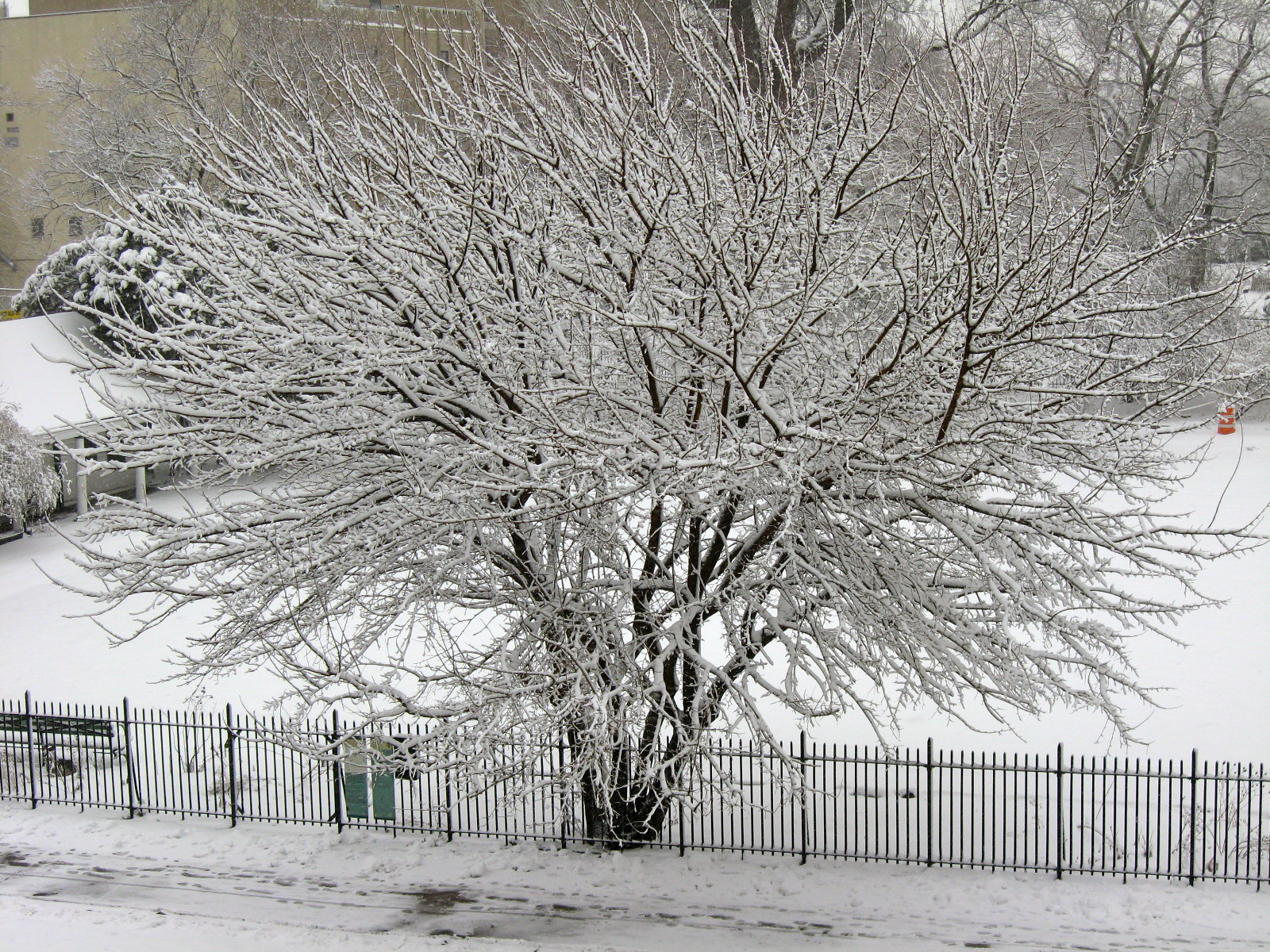
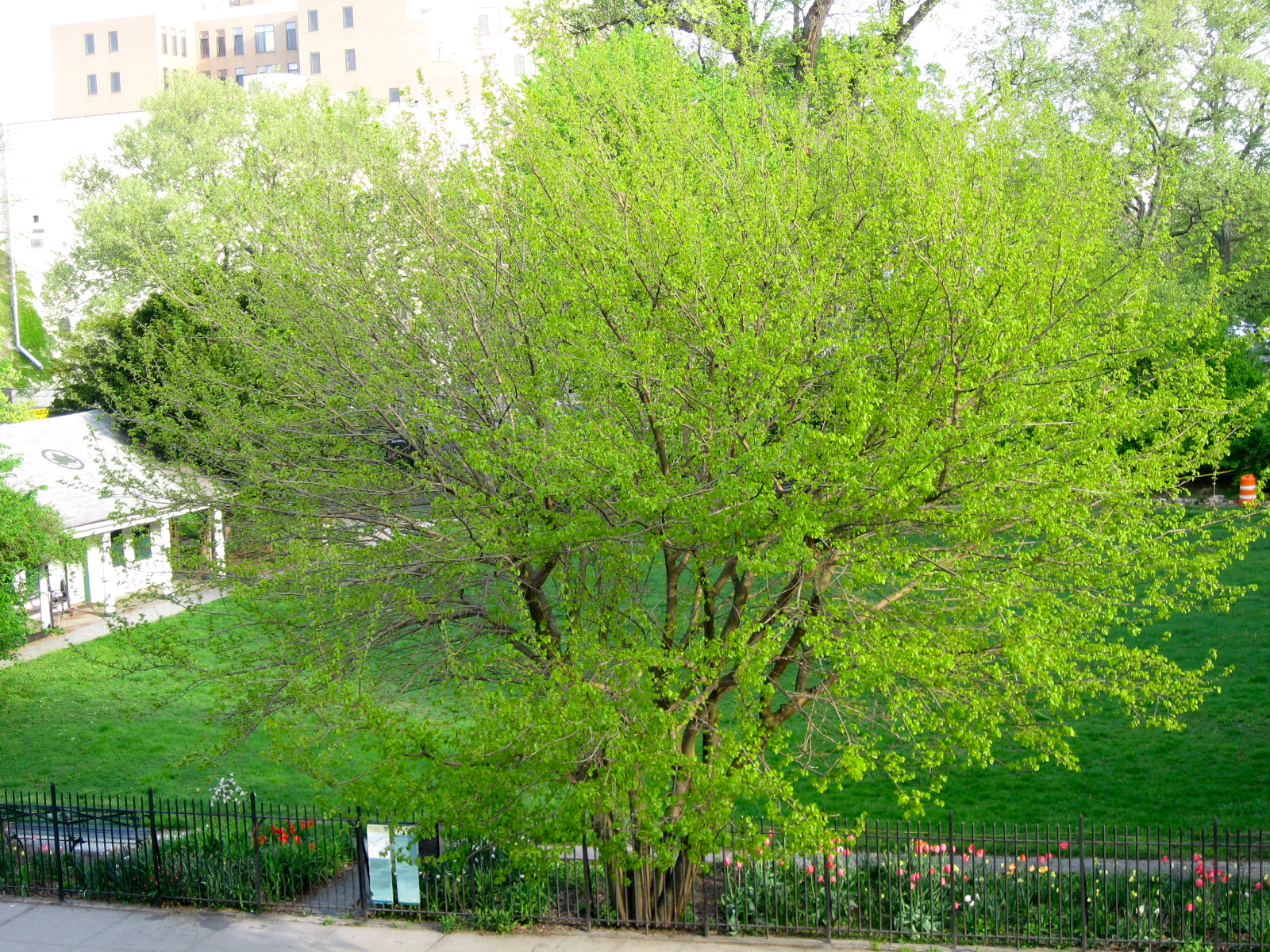
The photos of the tree at the beginning of this post were taken by the author from my dining room window on Caton Avenue in Brooklyn, 11218.  The tree is in the Bowling Green of the Prospect Park Parade Grounds.

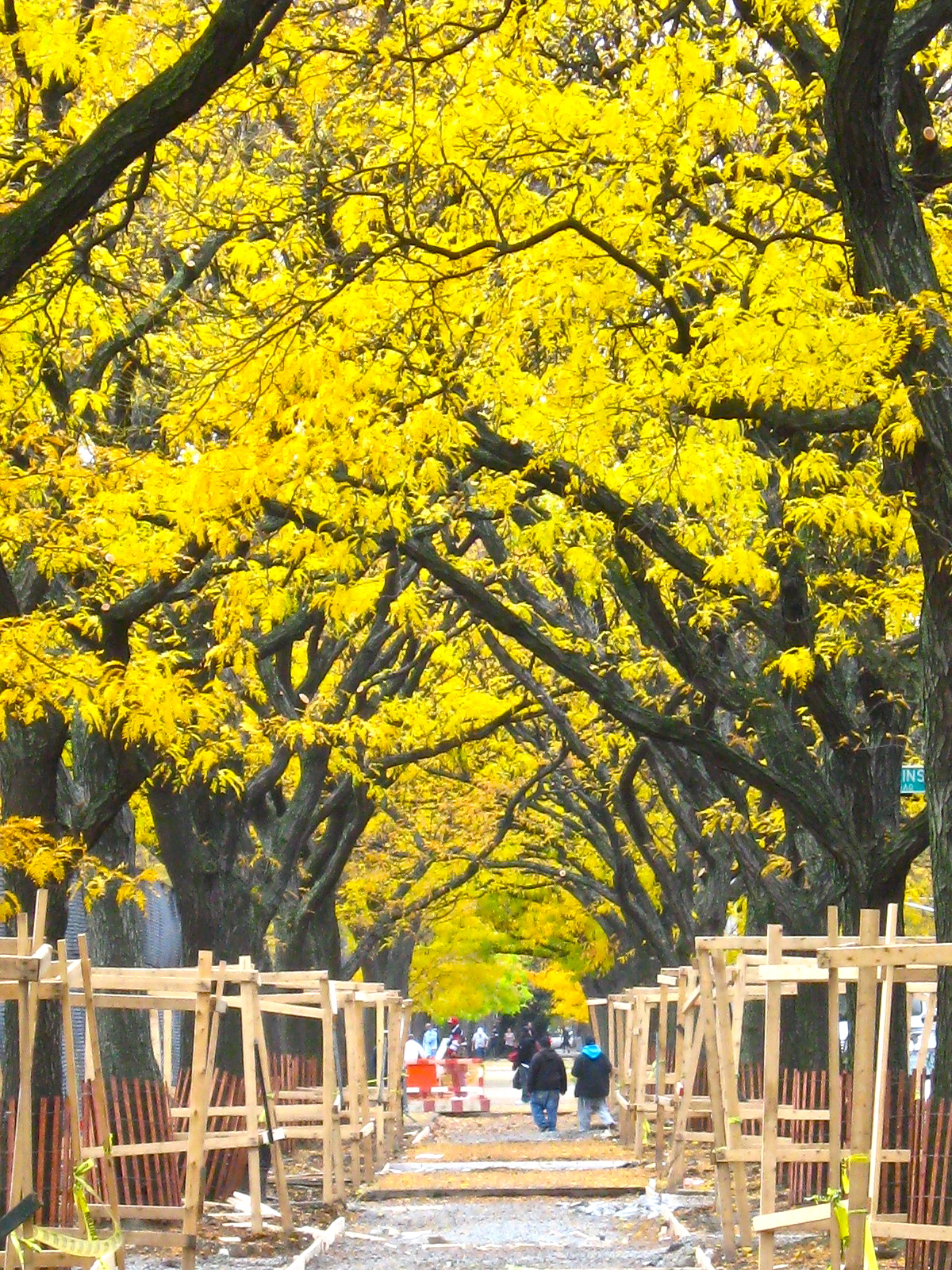
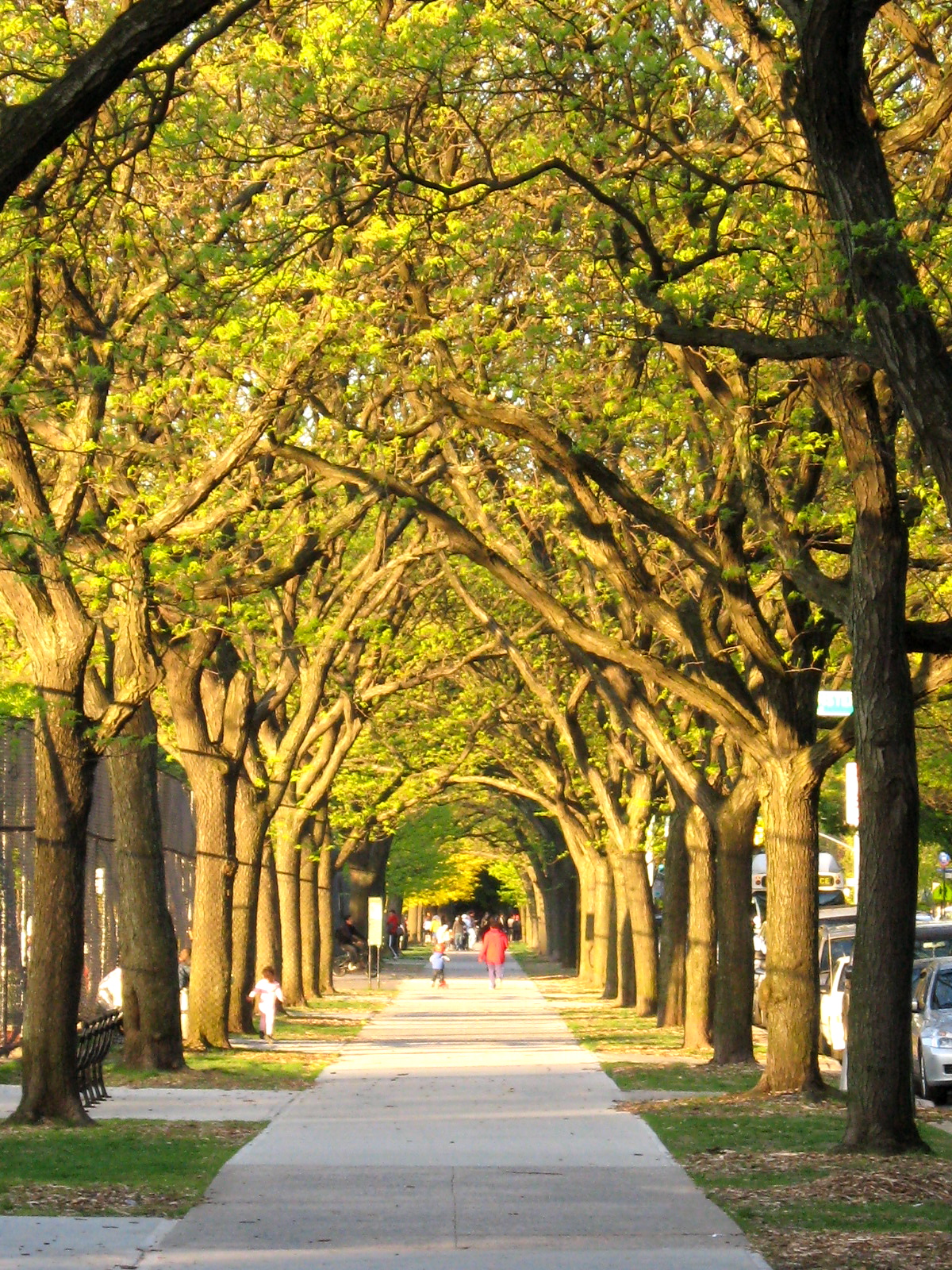
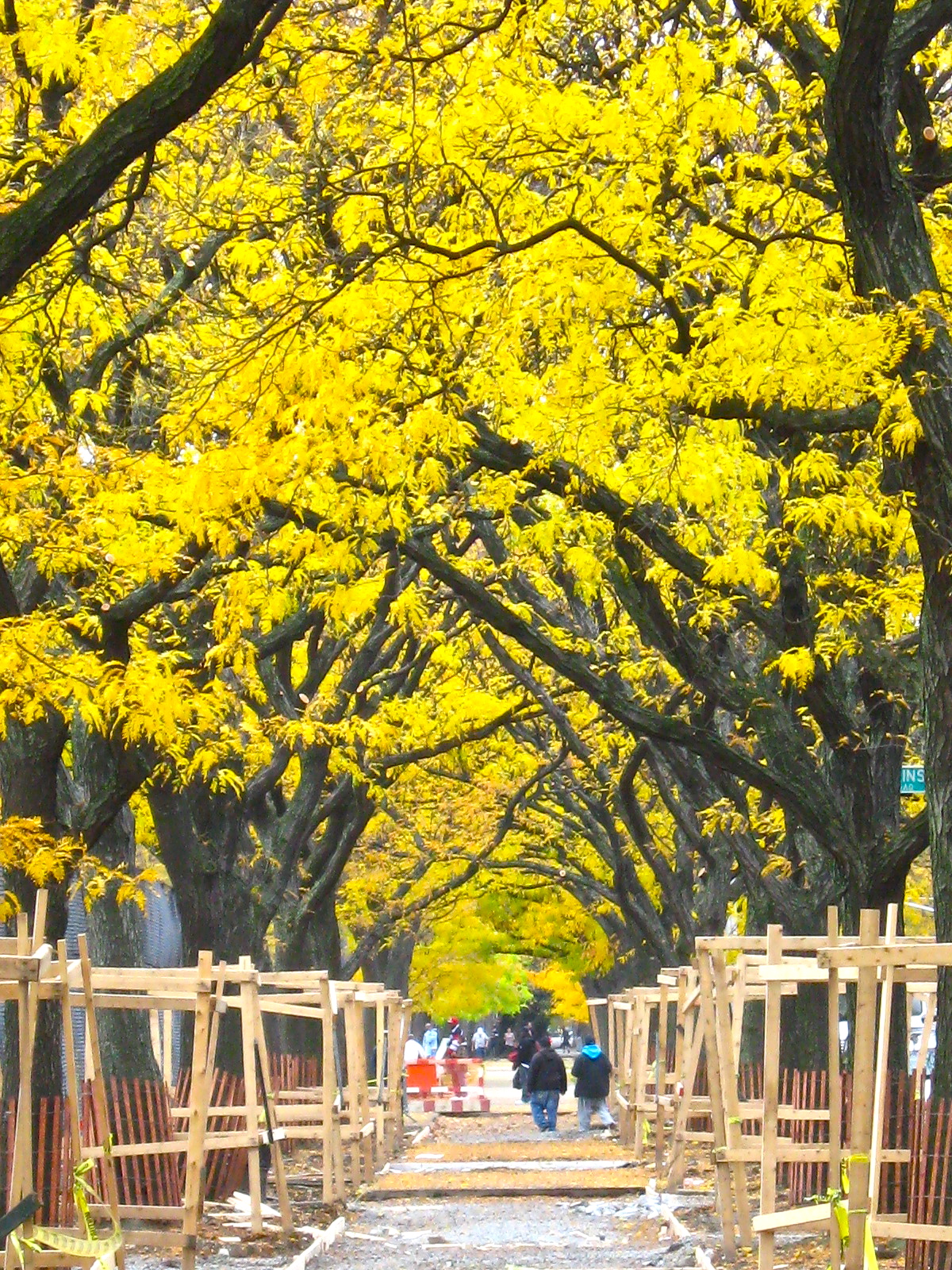
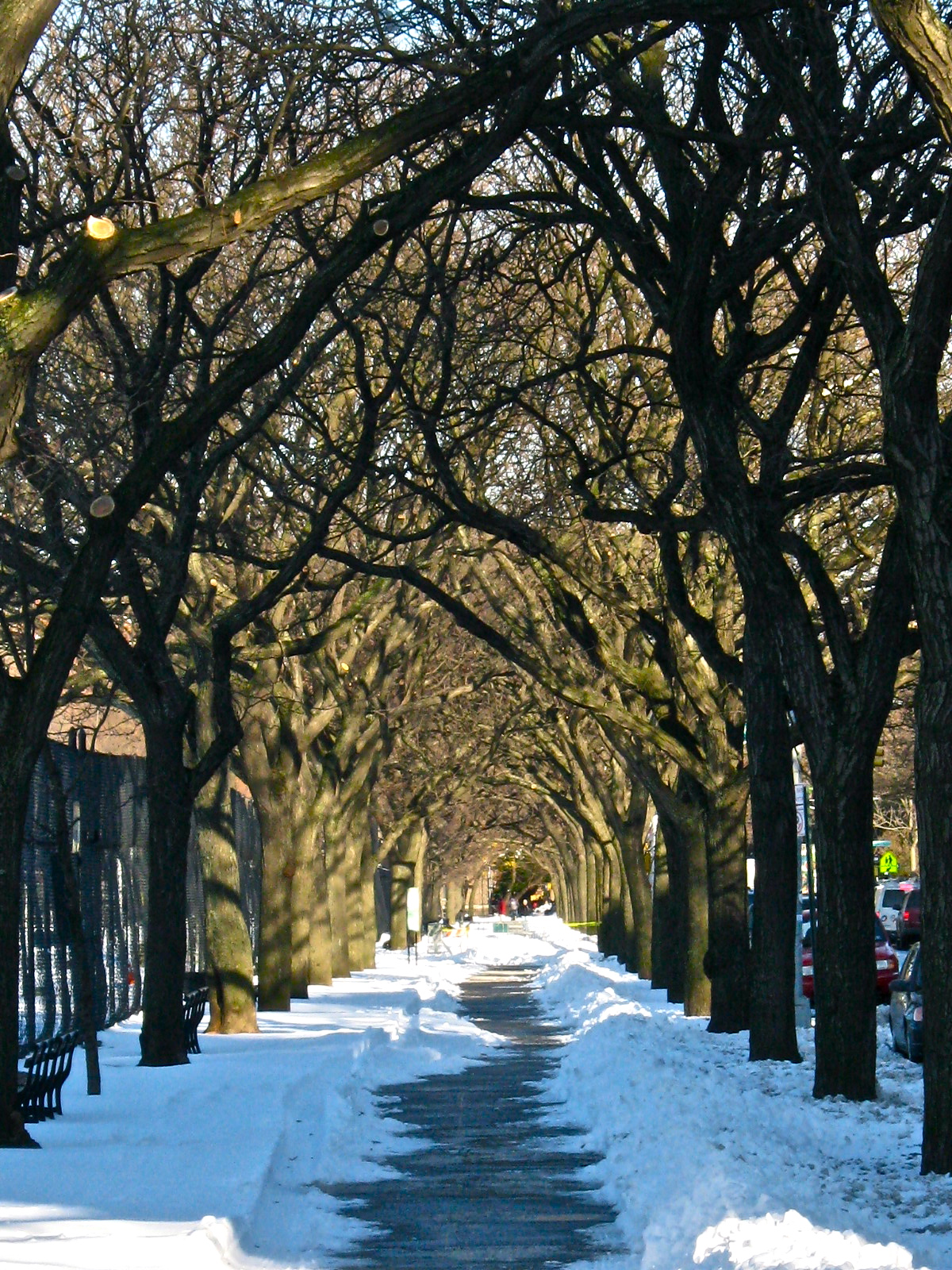
The photos of the trees forming an arch over the sidewalk were taken by the author at the Prospect Park Parade Grounds, Caton Avenue sidewalk, 11218.

The story:  Ecclesiastes 3:1-8

And a time to sing whilst riding on horses …

4 Comments

Filed under beauty, death, existentialism, freedom, ideas, life, Park Slope, philosophy, truth, vanity

E/F – the glass of knowledge

halfglass-apple-1

E.  “. . . the eyes of both of them were opened, and they realized that they were naked . . .”   Genesis 3:6

F.  “A little learning is a dang’rous thing;
Drink deep, or taste not the Pierian spring:
There shallow draughts intoxicate the brain,
And drinking largely sobers us again.”

Alexander Pope, “Essay on Criticism,” ll. 215-18

For some, knowledge leads down the path to hubris, a “revenge of the intellect” as Susan Sontag warned (ironically, some might say) in “Against Interpretation” (1966).  For others, knowledge is the source of enlightenment.  Know thyself:  as inscribed on the Temple of Apollo at Delphi and lived by Socrates, for whom the knowledge of anything was only as good as its limits.

However we look upon knowledge or follow where it leads, it’s almost certain we’ll wind up somewhere never intended, with consequences for good or ill that we may barely understand.  Such is the way of truth.

The glass and St. Rita’s Church

The tumbler is half-filled with Apple and Eve apple juice, all natural, no added sugar, of unknown yet possible relation to the juice of the apples of the tree of the knowledge of good and evil.  At least that’s what I take away from the company’s name.

The etching on the glass is of St. Rita’s Church, Harahan, which was founded in 1950 by Monsignor Roy Champagne, who was a young priest at the time.  The tumbler was part of a larger set created in 2000 for the parish’s 50th anniversary.

I went to St. Rita’s school from the fourth through seventh grades, and Fr. Champagne (he wasn’t a Monsignor yet) was still walking the grounds with the children and saying mass on Sundays.  I attended church there until I left my parents’ home in 1986.  For many years, I performed with, and then led, the youth choir.  My son was baptized at St. Rita’s.  I now attend St. John’s Episcopal Church in Park Slope, Brooklyn, but St. Rita’s is a cherished part of my life.  It is a place I return to from time to time, to walk in the past and present, and to reflect on the lessons of knowledge and ignorance in my own life.

The desk and a dual journey from Michigan to Illinois

The tumbler was photographed on my desk, a sturdy workshop piece in the Mission Style, dating from the 1920s or 1930s (I am guessing here).  I bought it in Rock Island, Illinois, in 1997 for $100.00 in rough but usable shape.

IMG_3245

a sturdy writing companion

The desk was made in Michigan, by the Wolverine Manufacturing Company of Detroit.  The company was organized in 1887, according to the tag, and at least this one desk is still going strong.  Wolverine Manufacturing was one of the historical suppliers of parlor and other furniture in the Arts and Crafts style.  I wonder sometimes at the happenstance (some might say magic) by which I took a similar route from Michigan, where I obtained my doctorate in 1996 from the university in Ann Arbor, to Rock Island, where I began my first teaching appointment the same year.

Almost everything that has been posted in truth and rocket science was written at this desk.

Notes and credits

The photos of the tumbler and the desk were taken by the author.

This image of the Wolverine Manufacturing Plant was taken from the State of Michigan’s Twentieth Annual Report of the Bureau of Labor and Industrial Statistics (Lansing, 1903), as found on Google Books.

Geotag: St. Rita’s is at 7100 Jefferson Highway, Harahan, Louisiana, 70123.  St. John’s Episcopal is at 139 St. John’s Place, Brooklyn, New York, 11217.

2 Comments

Filed under beauty, ideas, knowledge, Park Slope, philosophy, truth, youth

The truth and the still

Parintins, Brasil 1993

The still photograph is not so still.  The photograph asks questions.  It suggests a story.  It presents an idea in a language without words.  It is even as it signifies. Video killed nothing, and the still photograph survives (even as the radio star carries on).  Unlike video, you can take the still photograph in.  You have a role in your experience of the photograph.  It speaks to you at a speed that you can handle, that doesn’t overwhelm, that invites your participation and imagination.  You can look into its nooks and crannies and seek out all it has to offer.  All this at your own pace, and for your own reasons.

Snow on Sterling Place, Brooklyn 2005

The still photograph is a water that runs deep.  If it seems to sit there, that’s its charm.  The still makes you active, because it’s impossible to just look.  Indeed, that’s the point, and all the while the still is not nearly inert.  It just moves differently, at a different pace, like a tree.

Detail of a rock on the beach, Long Island Sound, 2009

You fill the stillness with motion, the silence with voices.  You hear these people, feel the breeze come across the flowers, sympathize with a long face or smile with happy eyes.  Or you imagine the immediate suspension of all motion and noise and concentrate on only the image and the miracle of capturing time itself.

Intensity . . .Prospect Park, Brooklyn, 2009

Video?  Its harsh, grating noise, the motion too fast to keep up with – video steals your ability to think about what you’re seeing and replaces your mind with its own images.  The difference between the still photograph and video is the difference between democracy and dictatorship.

Fixing the sidewalk, Prospect Park Parade Grounds, Brooklyn 2009

Notes and Credits

On December 15, 2009, I had the opportunity to hear two award-winning photographers, Lynsey Addario and Damon Winter, discuss their work at the Museum of the City of New York.  After the panel discussion, one member of audience asked them if they were experimenting with video, given the prominence of video on the Web and current developments in social media and journalism.  Of course they were interested, but they were still committed to the still photograph.  That’s what got them aroused in the first place, and the still continues to drive them today.  Moderater Kathy Ryan, photo editor for the NYT Magazine, chimed in that photos are still much more popular than videos on the Magazine’s website, perhaps because the photos allow the viewer to control what they are seeing.  So that got me thinking . . .

Sidewalk fixed, December 2009

All the photos featured in this post were taken by the author.  Go back and double-click them to see a larger view.  Enjoy.  If you want to see some interesting and incredible photos by others more talented and adept with shutters than I, check out the work of some friends at T’INGS, Chloe, and the No Words Daily Pix on Only the Blog Knows Brooklyn.

Astor Place, New York 2009

6 Comments

Filed under art, beauty, Brazil, freedom, ideas, journalism, life, media, Park Slope, philosophy, politics, truth

The Park Slope 100

truth and rocket science has been included on this year’s “Park Slope 100,” a list compiled by Louise Crawford on her blog, “Only the Blog Knows Brooklyn.”  Anyone from the neighborhood is familiar with Louise and her work, whether in her Smart Mom column in the weekly Brooklyn Paper, or the Brooklyn Reading Works, or the blog, or many other events.  Obviously, she can’t place herself on the list, but all of us in the nabe know that she makes it that much better for the rest of to do things of value around here.  A heartfelt thanks to Louise!  What an honor to be on a list with favorite blogs like Fucked in Park Slope and Brit in Brooklyn, and writers like Frank McCourt.

Oh, and speaking of the Brooklyn Reading Works . . . truth and rocket science will be curating the April 15, 2010, edition of Brooklyn Reading Works, on “The Truth and Money” . . . of which more later.  Keep tuned.

2 Comments

Filed under ideas, journalism, life, Park Slope, truth