Category Archives: freedom

The truth and narrative, 1: my life with Graham Greene

This is the first of three posts on writers whose work has influenced the course of my own life.  The writers are Graham Greene, Julio Cortázar and Roberto Bolaño.  In these writers I have seen myself in futures, presents, and pasts.

Travels with My Aunt
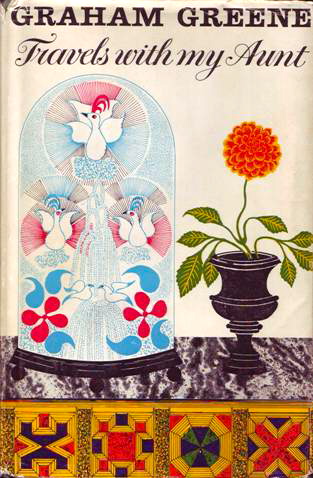
It started when I saw glimpses of the film, Travels with My Aunt, late at night on television.  I was doing homework or something.  What I noted then, and what I remember now, is the face of a very young Cindy Williams on a train with Alec McGowen as Henry Pulling.

I was in college already, but still living at home with my parents.  I had these vague ideas of wanting to explore the world, do something exciting, see places no one in my family ever had seen.  Later, I noticed the book on a shelf in the house and read it.  What I remember best from the book is Pulling’s trip by boat up the Rio Paraguay, from Buenos Aires to Asunción.  I knew then what I wanted to do with my life.

My mother, it turned out, was quite fond of Graham Greene.  She was fluent in Spanish for reasons she never told me, though I cannot recall whether she declined to say or I simply failed to ask.  As a college student in Pennsylvania, she had gone to Mexico City one summer to study abroad, a trip that led her to New Orleans and Loyola University, where she met my father in 1960.  At Loyola, she paid her bills in college by teaching Spanish at Mercy Academy, a Catholic girls’ prep school next to the campus.  She told me Travels with My Aunt was a frivolous book and that the really good Green was in The Power and the Glory, his novel of a “whiskey priest” trying to escape persecution during the Mexican Revolution and its aftermath.  I read the book and though I agreed with my mother, I never stopped thinking about Asunción.

Mexico City

In the summer of 1984 it was my turn, and I went off to Mexico City in the very same program my mother had gone on 25 years earlier.  My Dutch friend was on the Mexico trip the year before, and he gave me the names of two girls, R and E, and told me to look them up.  He’d had a crush on E, who worked in the big bus station and lived in a poor neighborhood on the outskirts of Mexico City, where 2-room cinder block houses crept up the hillsides surrounding the city.  E was indeed the prettier of the two, but I fell in love with R.

She was older than I was by about seven years, which at the time seemed like a lot.  She took me to Coyoacan, where we sat on park benches until three in the morning kissing and talking under the stars, which we could not see but knew were there above the constant soup of Mexico City smog.  We talked about Frida Kahlo and listened to jazz.  We drank tequila over art and philosophy and revolution with her friends.  During the days, in between classes in US-Mexican Diplomatic History and Spanish, I took Graham Greene novels from the library and devoured them.  The End of the Affair, The Comedians, The Human Factor, and others.  I marveled at the stories he told, so strong and bold and confident.  I read Greene and knew what I wanted to do with my life.

Rio de Janeiro and Asunción

I imagined I was reading biographies of the lives I wanted to lead, perhaps without the Russian Roulette but nonetheless in that Greenean world of strained romance and moral decay.  By the time I was 23 I was on my way to Asunción, albeit over land by bus from Rio de Janeiro, where I had just spent 6 weeks interviewing people in favelas during the day.  Favelas were the infamous slums that clung to the mountainsides of Rio and lined the bottoms of its swamps.  In the favelas, marginal people lived on the extremes of the most spectacular scenery on earth.  By night I played music with my friend Rogerio do Maranhão, who had standing gigs at Maria Maria in Bota Fogo and a pasta house in Copacabana.  We sang for food, beer and women.
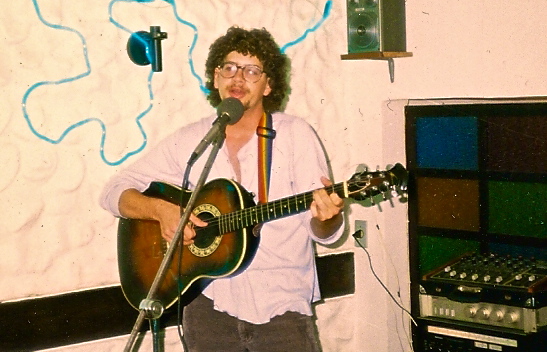
... portrait of the author as a young musician

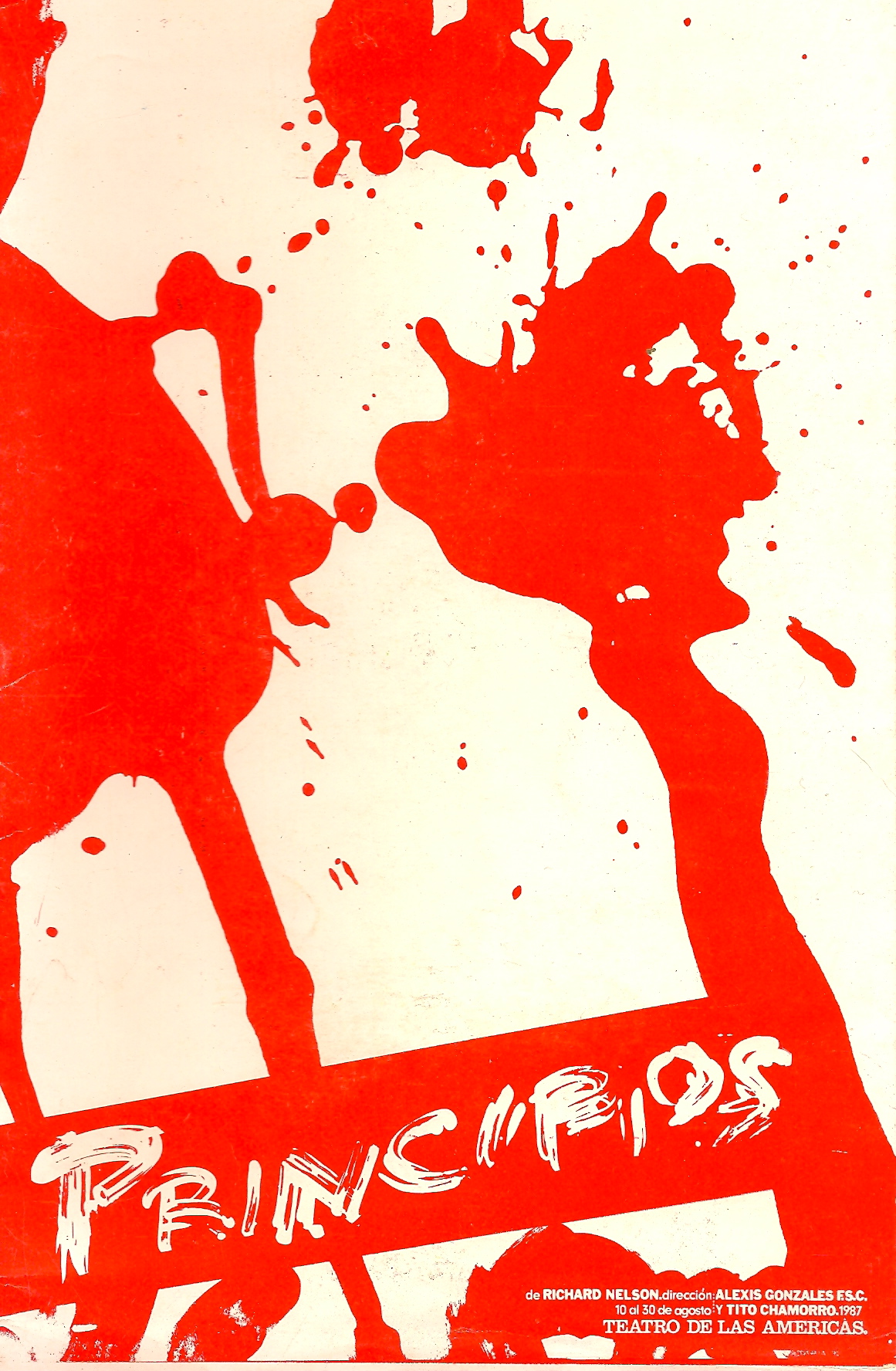
In Asunción, I stayed with the family Weiss, who were hosting Brother Alexis Gonzales, a theatre director from Loyola, mom’s and my old alma mater.  One night, after hanging out with the actors past curfew—these were Stroessner’s last days—I came home to find everyone on the street in their night clothes.  Minutes earlier, some Colorados drove by and shot up the house. They didn’t like Alexis’s production of Princípios, a play about censorship in Latin America. We pulled bullets from the walls and kept them as souvenirs.
Along the way, Greene stayed with me.  He wrote at a disciplined clip of five hundred words per day and produced almost a novel a year for forty years. His stories played on the compromised decisions of flawed men in decadent contexts.  With le Carré, Greene was the ultimate Cold War novelist, the two of them forming bookends around the era’s great struggles and grand themes, le Carré in Europe and its near environs, Greene everywhere else, across Latin America, Africa, and Asia.  They were our literary secret agents, searching for (and finding) the same themes every where they looked, morphing effortlessly into the same man with a different name everywhere they went.

Greene wrote about people and places that were not his native contexts, though when he did touch his own world, as in The End of the Affair, the results were breathtaking.  I was drawn most to his wanderlust and his ability to create compelling stories in so many different places.  Still I wondered—why did Greene make such sense to me?  Was it because I, too, was an outsider, a privileged white thrill-seeker in worlds brown and black and poor and altogether far away from the places I knew?

Yet critical post-colonial narrative was not something I could sustain for very long.  I was too good-humored and guileless.  This was a chicken and egg story that after a while could be anything and nothing at all.  Like all narratives it was mostly about justification and never really got to the heart of the matter.  Disciplined writing in an inevitably tainted world of compromised good and stilted vengeance was, on the other hand, a narrative I could understand.

Notes and Credits

I was inspired to go up the hills by my advisor at Tulane and by a book called The Myth of Marginality by Janice Perlman.  Perlman went to the favelas and lived there and worked with the residents even as the military government at the time was razing their neighborhoods and resettling the residents in modern slums further from the center of town.  I called Perlman from S’s dorm room at Louisiana State University one Sunday morning as the fog of a hangover left me, to ask Perlman about doing this kind of work.  “Go, do it,” she said, without specifying anything more specific about how to do it or whom to ask for help.  I didn’t speak to her again until 2006, almost 20 years later, and in 2007 I was able to contract her to evaluate the program I ran at the New York Academy of Medicine.  In 2010, she published a sequel to Myth of Marginality called Favela, in which she revisits the favelas and favelados she wrote about n the early 1970s.  She was able to find the children and grandchildren of her original subjects and the new book is a compelling story of coming full circle, as all narratives eventually do.

Cover photograph of Travels with My Aunt from the Wikipedia article about the novel, found here and used under fair use principles.   The photograph of Greene’s gravesite is also from Wikimedia and is used under the Creative Commons license.

Photograph of the author from his personal collection, no doubt to be sold one day for millions (in Monopoly money?) on E-Bay.  I cannot recall the name of the restaurant in Copacabana where we used to play, but here’s another of my friend Rogerio, from the same time.
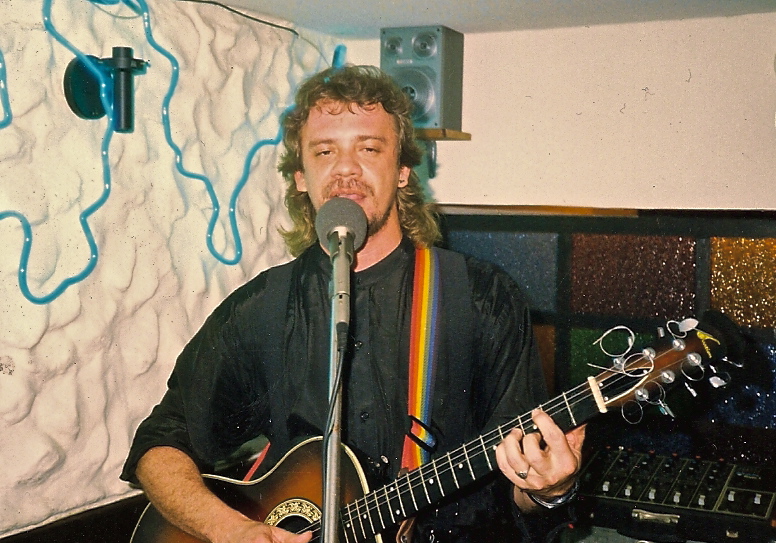
Rogerio do Maranhão
2 Comments

Filed under art, Brazil, freedom, individuality, life, philosophy, postcolonialism, truth, writing, youth

E/F – The glass (or cup, as it were) of coffee

Thomas Pynchon once imagined a conversation between Mason and Dixon (of the “line” fame, not the knitters, or the pollsters) that is as true in the twenty-first century as it must have been in the eighteenth.  Mason asked Dixon,

How is it … that of each Pot of Coffee, only the first Cup is ever worth drinking,— and that, by the time I get to it, someone else has already drunk it?”  To which Dixon answered that it’s because of “Coffee’s Sacramental nature, the Sacrament being Penance … whereby the remainder of the Pot, often dozens of cups deep, represents the Price for enjoying that first perfect Cup.”

Coffee is the original smart drug, but like all things good, it comes with a price. The key is to be mindful of how much you drink, for the beneficial effects advance only to a certain level, after which having more coffee produces something like a living nightmare of half-truths, unfinished thoughts, and incomplete sentences.

For these and other reasons, people have blamed coffee for the Enlightenment and related revolutions in rocket science and politics.  They all got started in coffee houses, perfect sites for the blending of conversation and caffeine, the ultimate result of which being a heightened desire for self-expression without, however, a commensurate acuity thereof.  Or as Pynchon put it when describing the scene as Mason and Dixon slipped into a coffee house in Philadelphia in the late 1700’s—

With its own fuliginous Weather, at once public and private, created of smoke billowing from Pipes, Hearthes, and Stoves, the Room would provide an extraordinary sight, were any able to see, in this Combination, peculiar and precise, of unceasing Talk and low Visibility, that makes Riot’s indoor Sister, Conspiracy, not only possible, but resultful as well.  One may be inches from a neighbor, yet both blurr’d past recognizing,— thus may Advice grow reckless and Prophecy extreme, given the astonishing volume of words moving about in here, not only aloud but upon Paper as well …

Coffee sounds a lot like alcohol.  Coffee houses and barrooms once upon a time shared the combination of low lights and incessant smoking that leads two or more people to make very bad decisions based on what little they can see or understand of each other, half-remembered bliss and release lifting like a fog with the clarity of morning.  The poor judgment brought on by low-lit coffee conversations that once resulted in revolutionary dreams, however, now leads mainly to snark and graduate theses.  Compared to alcohol, it’s more difficult to appreciate the terrible results of coffee, because they are so often taken for success.

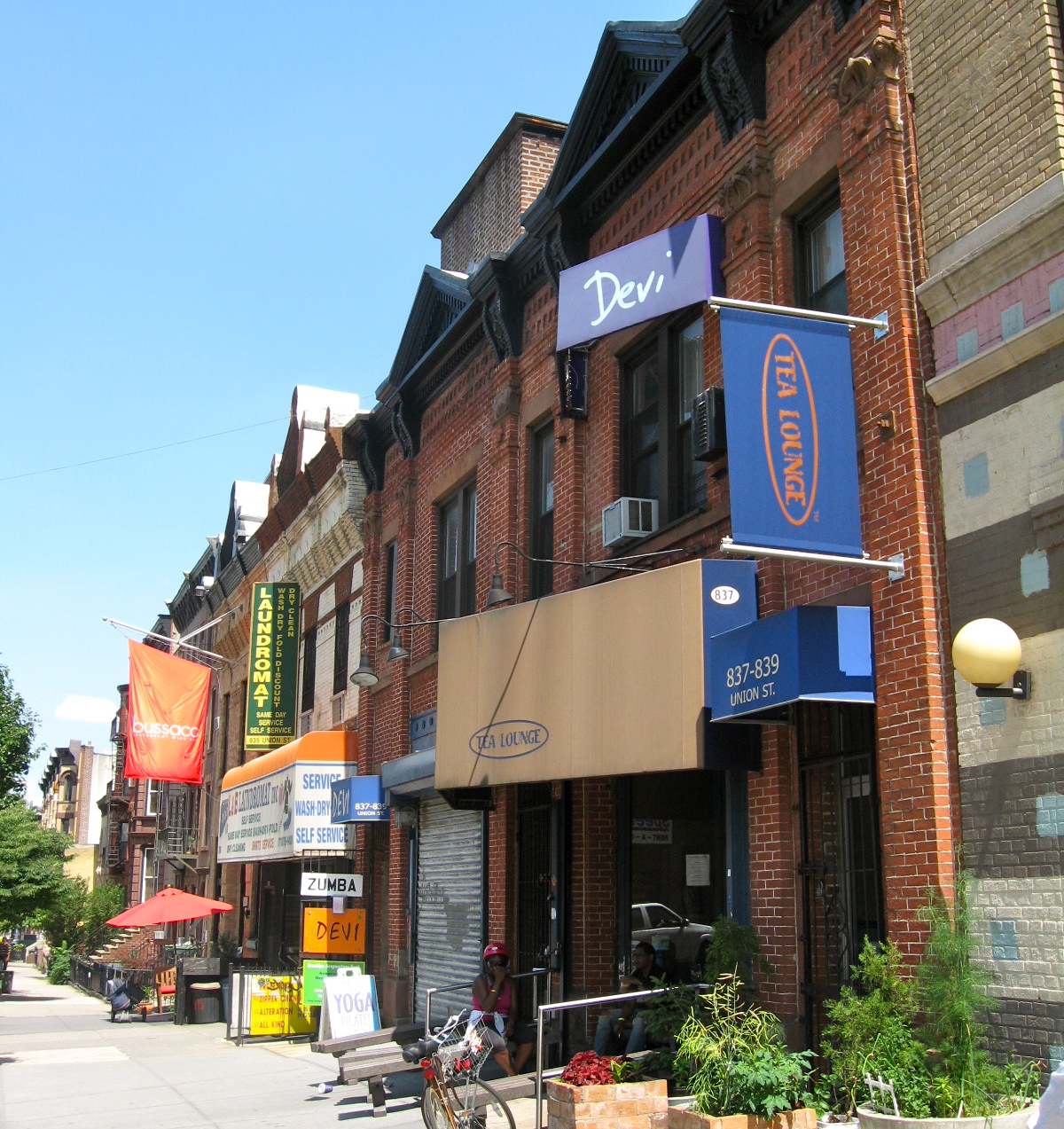
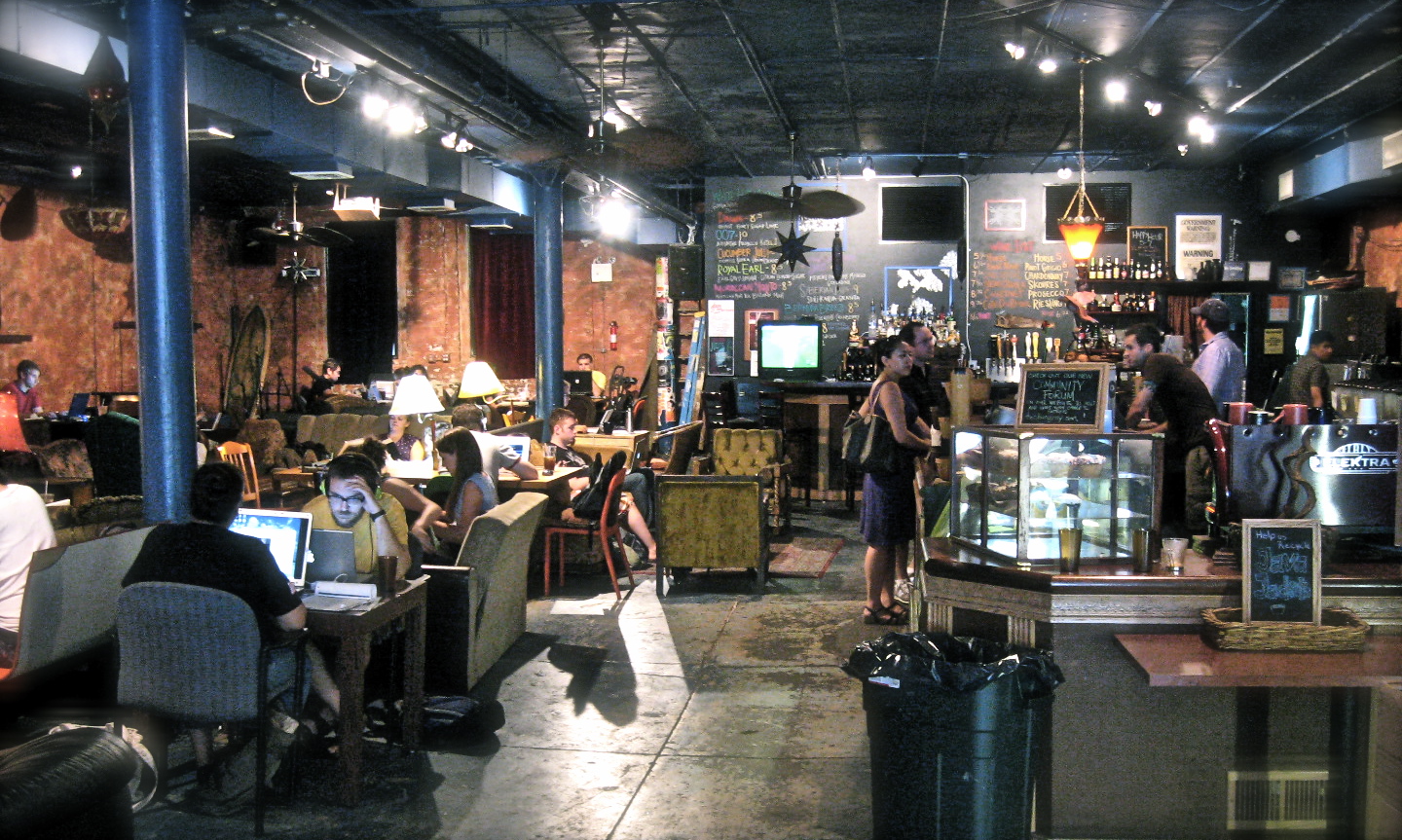
The Tea Lounge, Park Slope, Brooklyn: a revolution is being plotted right here, right now.

People often combine alcohol and coffee, as if the effects of one can cancel out the other.  This is a mistake.  When you drink coffee while already drunk, you don’t become sober.  Instead, you achieve a much more keen awareness of how incoherent you are.  It’s called coffee-boarding and is outlawed by several international accords signed by everyone but the United States.

The relationship of coffee and alcohol to the truth is easily demonstrated by the degree to which various world religions have grappled with either or both.  Islam banned alcohol, and Muslims became coffee addicts, as did fundamentalist Christians though their coffee is not nearly as good.  AA meetings would be intolerable without coffee.  The Mormons banned both coffee and alcohol, which is why they wound up in Utah, though somehow Coca-Cola escaped the ban despite its (post-cocaine) base in coffee’s essential force, caffeine.  The Buddhists call for people to avoid intoxication by alcohol or stimulants, but they don’t make it inflexible.  This sounds like a pretty good idea, except that it’s impossible, which is the point.

The Tea Lounge, Park Slope

repurposing an old garage, the Park Slope way

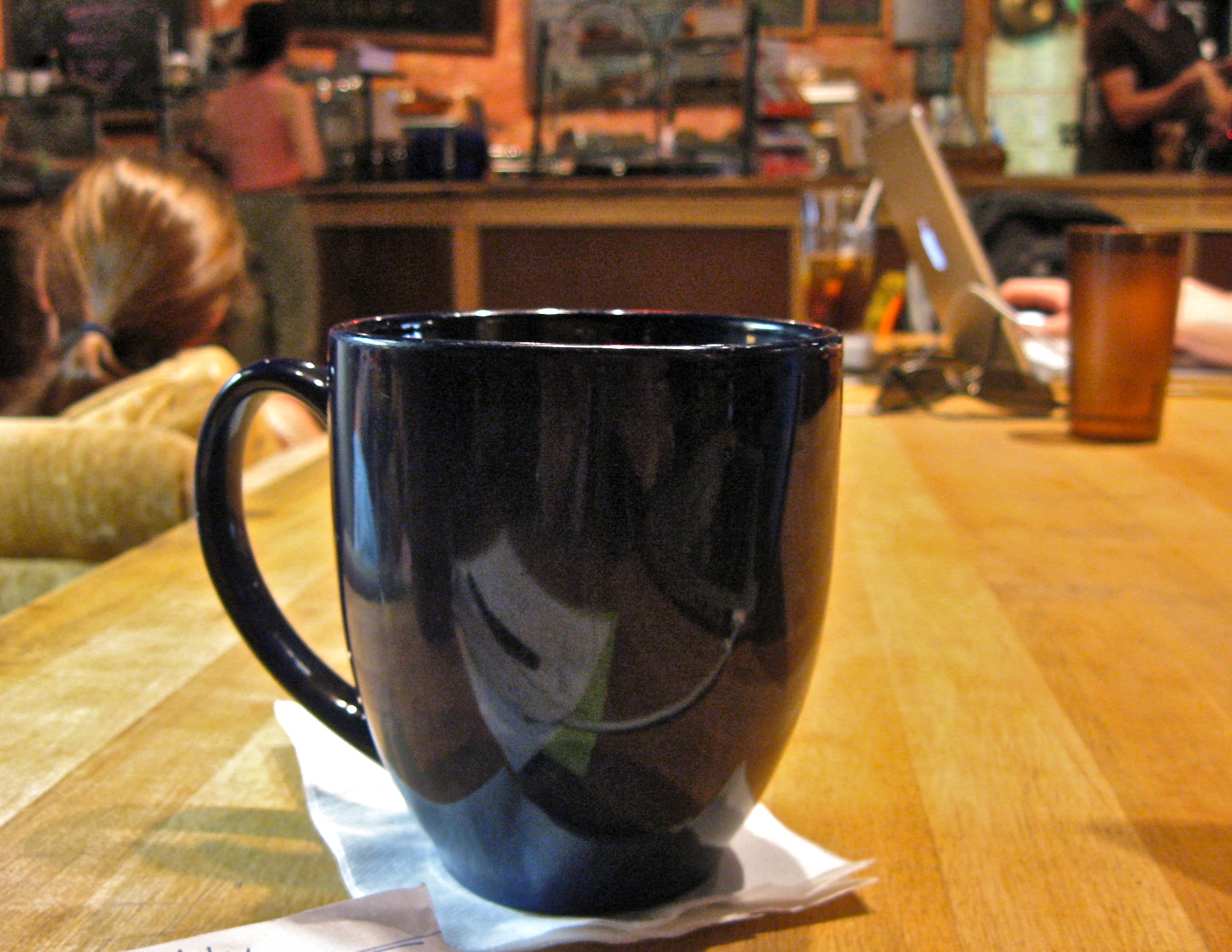
The photos for this post were taken in the Tea Lounge, a venerable institution in Brooklyn’s Park Slope, the neighborhood that everyone (else) in New York loves to hate, according to the local newspaper.

The original shop was located in the South Slope on 7th Avenue but had to close a while back due to increasing rents, leaving the larger Union Street shop (pictured here) as the flagship in the heart of the neighborhood.  (Another Tea Lounge has opened in Cobble Hill, a couple nabes over on the other side of the Gowanus Canal.)

Every morning, it begins to fill up with freelancers of every type imaginable – writers, designers, editors, bloggers, people looking for jobs – who stay there all day sipping coffee and making the American economy what it is (hey, they’re telecommuting).  One morning a week (which one has rotated over time) the place fills up with mommies and nannies and toddlers when Lloyd comes to sing for the kids.  Those of us who’re working (including the staff) double down, shut our ears, and keep on working.  The place features in Amy Sohn’s satirical send-up of (and not-entirely-ironic homage to) Park Slope mommyhood, Prospect Park West, as the “Teat Lounge,” so-called for the ubiquitous nursing of infants that goes on there to the soundtracks of Neil Young, Rolling Stones, Joni Mitchell, and the occasional contemporary indie-groove (think Jem).

A review by Elizabeth of the Anti Tourist describes the Tea Lounge like this:

Studious laptop users sat beside romancing couples and chatty friends and I have to say, between licking the whipped frosting off of my OREO cupcake and sipping a glass of Riesling, I was immediately at ease–especially when my friend bought me a second glass. So yes. Conclusively, I like Tea Lounge. Is it a perfect place to work? Eh. Maybe not. Is it a good place for a date or a drink with a friend? Definitely.

Notes and Credits

All photographs by the author.

Thomas Pynchon on coffee in Mason and Dixon (New York:  Henry Holt, 1997) page 467 for the first quotation and 305 for the second. It’s an historical novel that follows the eighteenth century British astronomers Charles Mason and Jeremiah Dixon throughout their lives, from their early collaborations in England and South Africa through their pioneering work to survey the border between the Pennsylvania and Maryland colonies from 1763 to 1768.  As novels go, it’s a wonderfully comic buddy film with a touching ending that reaches deep into the emotions surrounding friendship and fatherhood.

Stephen Johnson in The Invention of Air:  A Story of Science, Faith, Revolution, and the Birth of America (New York:  Riverhead Books, 2008) provides rollicking imagery of the confluence of coffee, truth, alcohol, rocket science, tobacco, and the Enlightenment.  The thesis is simple:  replacing beer with coffee as a way to avoid bad water propelled the Enlightenment foward with clear thinking at long last.  Of the London Coffee House, the meeting place of Benjamin Franklin, Joseph Priestly, and other men of science and revolution, Johnson wrote (p. 17)—

The London Coffee House lay in St. Paul’s churchyard, a crowded urban space steps from the cathedral, bustling with divinity students, booksellers, and instrument makers.  The proximity to the divine hadn’t stopped the coffeehouse from becoming a gathering place for some of London’s most celebrated heretics, who may well have been drawn to the location for the sheer thrill exploring the limits of religious orthodoxy within shouting distance of England’s most formidable shrine.  On alternating Thursdays, a gang of freethinkers – eventually dubbed “The Club of Honest Whigs” by one of its founding members, Benjamin Franklin – met at the coffeehouse, embarking each fortnight on a long, rambling session that has no exact equivalent in modern scientific culture.

It no doubt would be interesting for Mr. Johnson to survey the clientele at the Tea Lounge and find out what revolutions are brewing for the near future here.

7 Comments

Filed under fiction, freedom, ideas, individuality, life, Park Slope, philosophy, politics, revolution, struggle, truth

The truth and diamonds

The truth is precious.  So are diamonds.

Both can shine brilliantly, sparkling in the light to dazzle your eyes, making young couples blush with happiness and pride.  Like the truth, diamonds aren’t nearly as rare as their market value would indicate.  Both can be found with ease when you know where to look.  Every once in a while, someone stumbles on a massive diamond in the plain light of day, just one more rock in the landscape until a chance encounter sets it apart. No small amount of truth is discovered in the same way.  What sets these discoverers apart from the rest of us is as often as not luck.

The truth and diamonds leave two trails, one of bliss and hope, the other of blood and cruelty.  More banal than ironic, this is the way of the universe.  The same truth that turns a God of peace into a God of war also turns simple assumptions about fairness into human rights.

What happens when beauty and ugliness form a bond so tight that they become inseparable?  The trouble with the truth and diamonds is that they can lead you anywhere.  What really matters is where you want to go.

Notes and Credits

The opening photograph of the Hope Diamond is by Chip Clark, who passed away on June 12, 2010, away after 35 years as a photographer for the Smithsonian National Museum of Natural History in Washington.  Mr. Clark’s beautiful photographs of gems, animals, birds, and other things can be found all over the web.

The Hope Diamond is surrounded by legend.  It seems that most who have possessed it have come to tragic ends.  It is currently owned by the United States of America and is on display at the Smithsonian.

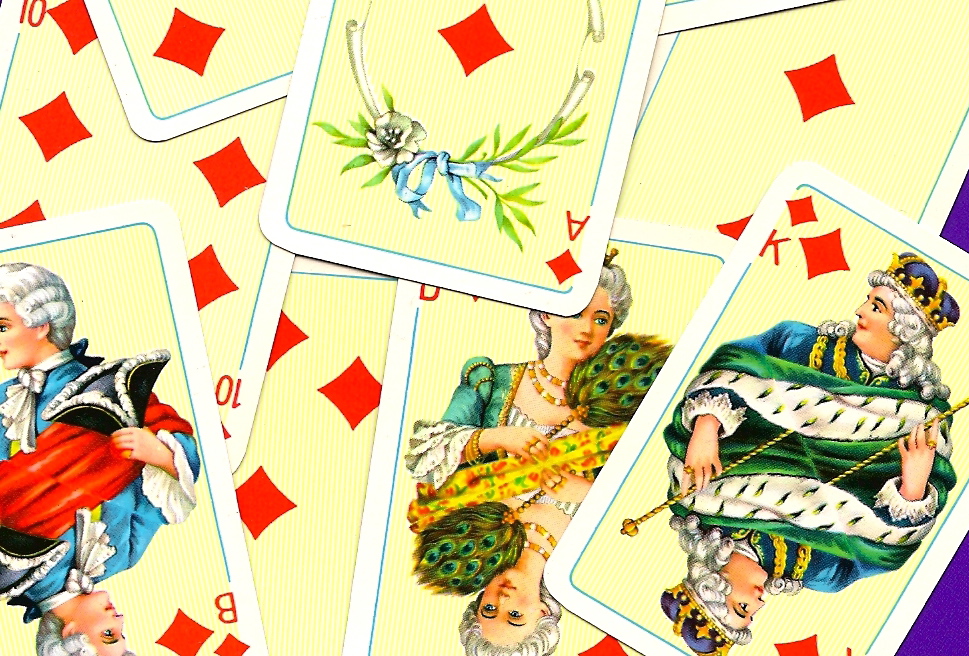
The playing cards were photographed by the author, from a miniature travel deck for Patience (Solitaire) given to me in 1992 by Professor Raymond Grew, a mentor of mine in graduate school at the University of Michigan.

It should be noted that the truth also grows more precious with time, the simple truths of youth seeming to appear ever more complex and enduring as time goes along, much like the songs of Neil Diamond and just about everything touched by Johnny Cash.

8 Comments

Filed under beauty, danger, death, freedom, hubris, ideas, love, money, philosophy, revolution, riches, truth, war

E/F – The glass of oil

There are jobs, and then there are jobs.

We built our world on petroleum, especially in the state I come from, Louisiana.  We power our cars and computers and houses with petrol and its funky little brother, natural gas.  Over the course of the long twentieth century, the automobile fueled explosive growth in the American economy and allowed people to spread out in endless suburbs that offered relief and tranquility compared with the noise and chaos of urban life.

Along the Gulf Coast and elsewhere, countless thousands of jobs are devoted to the exploration, drilling, refining, distributing, selling, purchasing, and using of petrol in its many forms.  We create our food with petrochemical fertilizers that rely on the abundant natural gas deposits found deep in the Gulf of Mexico along with oil.  The plastic bags we carry our food in are made of petroleum.  Cosmetics and personal lubricants are made of petrol.

Oil and other fossil fuels have made everything we know possible, from the things we use to the lifestyle of abundance that for some seems an American birthright.  We Americans are the people of the tar.

We eat the oil, and the oil eats us

Back in the 1970s, when gas prices shot through the roof because of the Arab Oil Embargo, the rest of the country went into a tailspin while Louisiana thrived on oil.  The construction of the New Orleans Superdome, opened in 1975, started a downtown building boom in New Orleans that reshaped the city before my eyes as I grew up. Then in the early 1980s, when oil prices fell as the country’s economy recovered, New Orleans and Louisiana went into a tailspin.  The oil companies moved their offices to Houston and drilling shut down as oil fell below $15 a barrel, the price at which it was no longer economical to produce oil in Louisiana.  As the oil money left, people lost jobs all over the state and everyone suffered.

Now, as the Deepwater Horizon blowout has become the world’s worst man-made environmental disaster, Americans face an impasse.  Do we follow Louisiana’s own politicians and call for more drilling?  These are the same politicians who along with other (mainly Republican) politicians around the country created an environment of contempt for business regulation that fueled a lawless world in the boardroom, on the factory floor, and in the marshes and mountains and wildlife prerserves.  Corporate lobbyists wrote environmental and workplace protection laws.  Our social world—our values and the values reflected by our government—made it the casual business of the day to celebrate the sub-prime mortgage market, overlook safety in coal mines, and build drilling rigs without proper blowout protection.  It was the time of our life and there wasn’t an American alive—left, right, or independent—who didn’t just love their IRAs, home equity, air conditioning, and cheap gas.

Un-natural disasters

Deepwater Horizon comes almost 5 years after the “natural” disaster of Hurricane Katrina, which continues to show us what can happen when the government abandons its people.  The Katrina disaster was neither inevitable nor natural.  It was a man-made disaster of the first degree, founded upon the same neglect and abdication of social responsibility that are at the core of America’s post-Reagan social contract.

Our world will change as the oil runs out, which it will do one day, sooner rather than later by current predictions.  How many disasters do we need to learn that all of us are made better by a government that provides social protections and guarantees against exploitation—of people, environments, and resources?  The BP oil disaster is our opportunity now for the national courage to get off oil.  Such a matter of fundamental change could be achieved only by a massive state-led effort akin to the New Deal.

For comparison’s sake, here’s The Deal We Got:  oil will kill us, either way.  It’s already started.  If it doesn’t kill us now, it will kill our children or grandchildren.  There’s no going back now on the damage oil has done and will do to Louisiana and the Gulf Coast at large.  Add one hurricane to it this year and it’s over.

Imagine

Can we just think about ending oil?  It doesn’t matter how realistic it seems.  It will hurt.  It hurts to stop any self-destructive addiction.  Yet while it’s going to hurt one way or another, it doesn’t hurt to dream a little.  Ask any hurting person.  Or these pelicans.  Why not …

… deploy the government’s resources to bail out the regular people of Louisiana who will lose their jobs in this tragedy? If it’s good enough for Goldman Sachs it’s good enough for the Bayou State.

… put the Army Corps of Engineers to work creating a levee system that channels the immense force of the Mississippi River to the restoration of the coast? The same government agency that corralled the river in the first place ought to be able to set it free.  Indeed, by cutting off the annual flood, the levees have helped erode the Louisiana wetlands at the rate of one acre per hour. Restoring the annual flood just might be the best way to combat the effects of the oil spill.

… cut our addiction to automobiles and airplanes by building railways—high speed and local—that can rely on wind, hydro, and other safer energy sources? Start with rails in Louisiana so that people there don’t have to buy gas and can still get to work. Put these guys to work at home and let them become a corps of railroad builders who can teach the rest of the nation how it’s done.

Imagine a permanent, federally funded project of restoring and then maintaining one of the world’s most vital and richest wetlands.  Call it real conservation and tip your hat to Teddy Roosevelt (the ex-Republican Bull Moose).  The point is that this is not just an oil spill.  It’s the big one, the wake-up call.  If the fear of losing jobs is what keeps people in Louisiana under the thumb of big oil, then let’s find them other jobs.  Are we slaves?

This isn’t rocket science.  It’s a matter of will.  We are the richest country on Earth, and we can do this if we want to.  While we’re at it, we can finally clean up the mess and set things to right from Katrina.  What America does shows the world—and more importantly, ourselves—what we really want and what we really care about.   What shall we do this time?

The glass

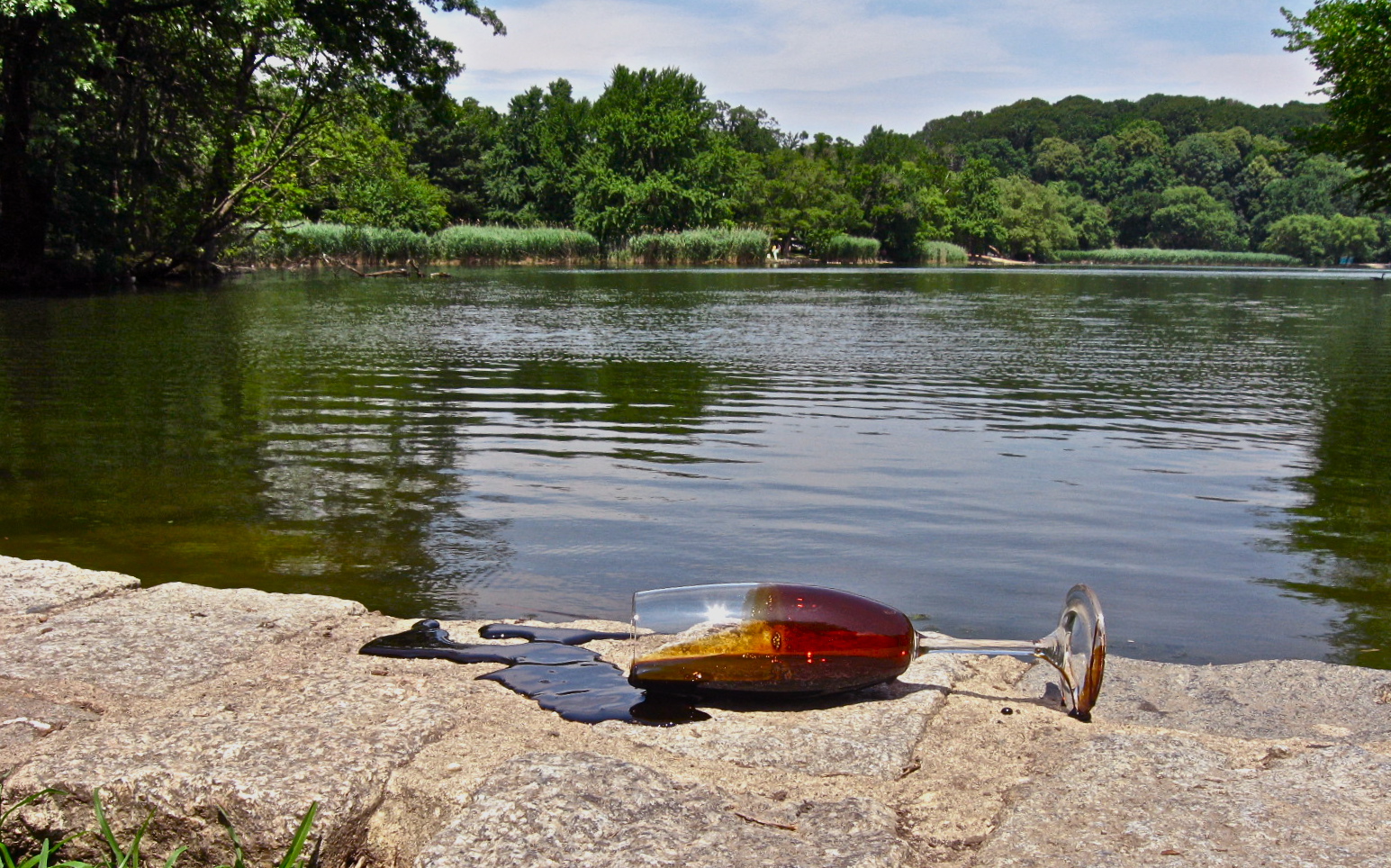
The glass is a champagne flute from Williams Sonoma.  I photographed it on the southern edge of the pond in Prospect Park, Brooklyn.  The pond is home to a lot of turtles.  Fish are stocked and then fished out by the people who live in the neighborhood.  Macy’s sponsors an annual fishing tournament in the park.  Swans, geese, ducks and other birds make the pond home, for at least part of the year.  Of late, there has been a series of mysterious animal deaths in the park, prompting outrage and concern by folks all over the city.  Comprehensive coverage of what started with an injury to John Boy the Swan, which later resulted in his death, can be found in Gothamist and in the Brooklyn Paper.  Video of John Boy can be found here.

Notes and Credits

All photographs are by the author, unless otherwise noted.

On the petrochemical sources of our food, no one has written more eloquently than Michael Pollan.  In his book, Omnivore’s Dilemma, he provides an accounting of the carbon footprint beneath the food we buy so cheaply in the supermarket, as well as the government policies that prop up the union of agribusiness and petroleum.

The sub-title, “We eat the oil and the oil eats us,” paraphrases the title of June Nash’s classic book about Bolivian tin miners, We Eat the Mines and the Mines Eat Us.  The book’s title comes from the way the miners talked about their relationship to the mines, mining, the mountains, and the tin companies that exploited them so ruthlessly.  Louisiana is like that, a place being eaten up by big companies who could care less about the local people apart from their willingness to work for low wages without union representation.  When I was a kid, we sometimes called New Orleans “The Tegucigalpa of the North.” It was sort of joke, just sort of.

On levees and their importance—I grew up about a half mile from the levee.  I used to play behind the levee every day in the batture, the swampy land between the levee and the river itself.  We played army and pirates behind the levee when we were little.  Then we smoked pot and made out.  When I was in college at Loyola University in New Orleans, I used to ride my bike from home (commuter student) to the college on the levee.  I wrote one of my best songs, “Down By the River,” about falling in love with a brown-eyed girl who gave me my first kiss on the levee.  It’s a bluegrass tune.

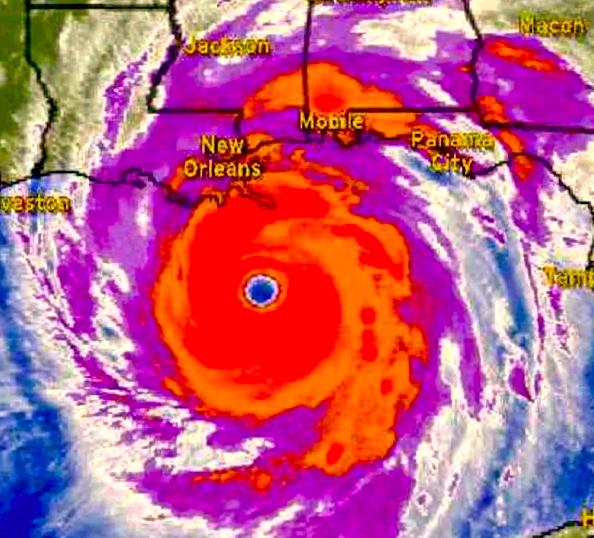
I took the satellite image of Hurricane Katrina from weather.com a few days before it made landfall.  I was holed up in Dallas, Texas, at my mother-in-law’s.  I happened to be there visiting, for reasons that had nothing at all to do with the storm.  My parents went to my brother’s place in Nacogdoches, Texas—now they were storm refugees and only went home at the end of October, after 2 months in Texas.  I kept that image of Katrina.  In my anger over the storm and the abandonment of New Orleans, I made it the wallpaper of my computer desktop, not changing it for a couple of years.

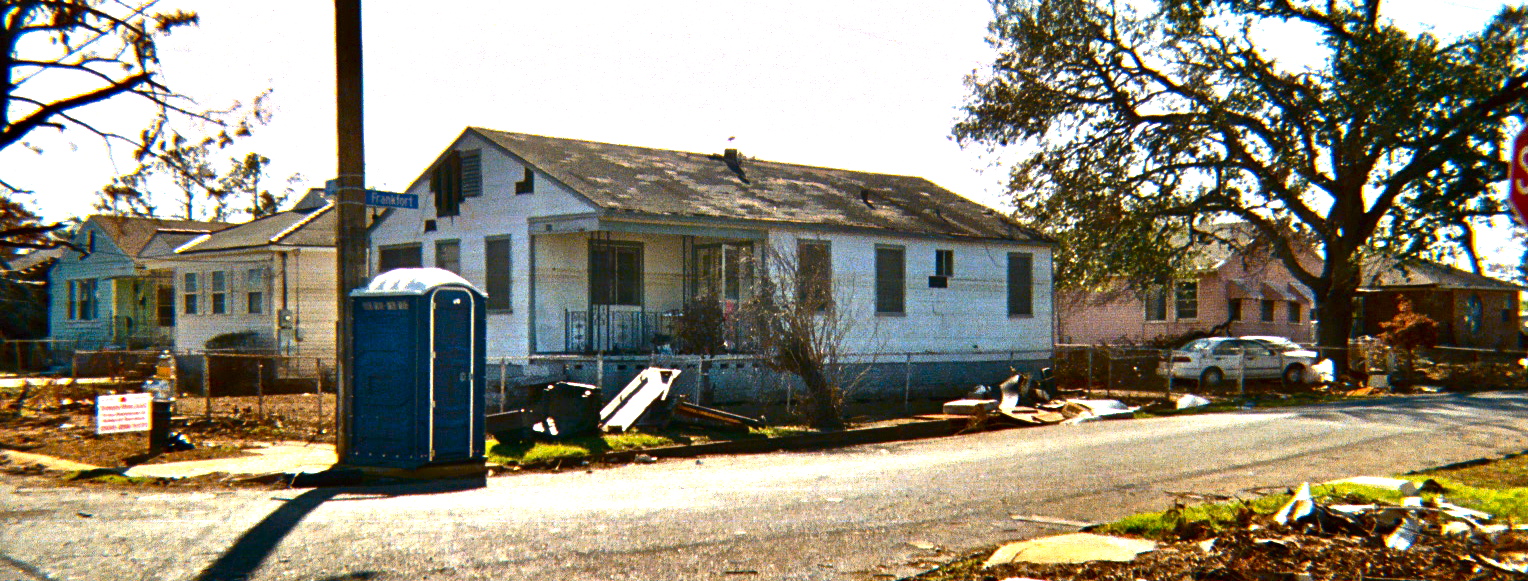
The battered house is where my father grew up in the 1940s and 50s.  It was on the corner of Lafaye and Frankfort Streets, which was in a new subdivision being made up near the shore of Lake Ponchatrain, where the Air Force had major installations during World War II.  My grandparents moved there after the war, once my grandfather— “Grumpy” as we called him—got home from the Pacific and took a job with the Postal Service, where he would work until his retirement.  I remember that house in the 1960s and early 70s.  I was all of 5 and everything was happy there.  Grumpy made ice cream in the back yard and told us funny stories.  He let us grandkids take a turn or two each on the hand-crank.  It was good ice cream.  The house is no longer there.

Environmental Impact Statement

None of the fish, turtles, geese, ducks, or swans that call Prospect Park home were endangered in any way by this photo shoot.  In place of oil, I used all-natural, unsulphered molasses, which has the look of oil but is quite sticky and tastes much better.

Molasses is a rather suitable substitute for oil in other ways as well, since it’s a Louisiana product that probably does much less damage than oil.  My grandparents grew up on sugar plantations up the river from New Orleans.  Grumpy used to tell us how they refined sugar from cane, every single step, including molasses.  He knew sugar.  Granny used molasses to sweeten the pecan pies she made every year with the nuts she gathered from the tree in her own backyard.  Molasses has been around for a long time without causing the epidemic of obesity that can be traced to high fructose corn syrup, which in turn can be traced be to the agricultural policies of the Nixon administration (will we ever run out Republicans in this story?), which in turn can be traced to petrochemical fertlizers and in the end:  oil, oil, oil.

The use of the first-person, plural possessive—we—in this essay is intentional.  We all own the oil spill.  The politicians who created the culture of disregard for public safety and environmental sustainability in business and corporate life are there because they received enough votes to win office.  The people who voted them in office did so for various reasons that Thomas Frank documents pretty well in What’s the Matter with Kansas and which for Louisiana are intricately related to the famed “Southern Strategy” that the Republican party adopted with Richard Nixon’s successful presidential campaign in 1968.  The race politics that underlay all of this are a tangled (yet quite simple) web that deserve another essay in their own right.  This is how America is, for whatever it’s worth.  Those of us who didn’t vote for these politicians, we’re also complicit.  We use the energy that comes from petrol.  We might want to laugh at Sarah Palin’s convoluted explanation of how environmentalists are really responsible for the Deepwater Horizon tragedy, but it’s our culture and we’ll keep driving to work every day, even if on a bus powered by gasoline or its funky little brother, “natural” gas.

We are the people of the tar.

10 Comments

Filed under danger, death, failure, freedom, hubris, life, Louisiana, Park Slope, politics, riches, truth

The truth and type-casting

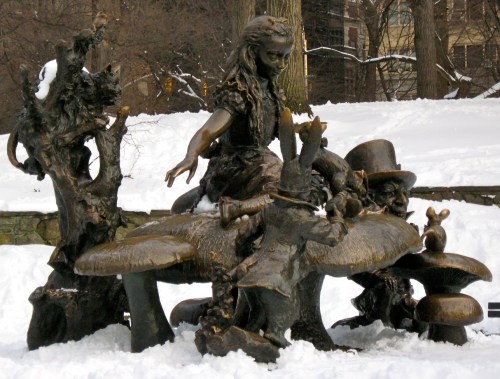
There are two kinds of people:  those who follow and those who don’t.  Of followers, there are two kinds:  those who stay put, and those who go somewhere.  Of followers who go somewhere, there are two kinds:  those who are led and those who are pushed, the latter including those who fall in holes  whether pushed or not (go ask Alice).  Of followers who stay put, there are two kinds:  those who stay in a place, and those who stay in a particular frame of mind.

Of those who do not follow, there are three kinds:  poets, prophets, and migrants.  Of poets, it is said that they show us who we are.  Of prophets, it is said that they show us who we should be.  Of migrants, it is said they show us where to go next.

Poets, prophets, and migrants are called.  They do not choose who they are, and mistakes can be made when callings are crossed, whether by the one who is called or by those doing the calling.  When poets are mistaken for prophets, everyone is deceived.  Cults are formed and lives are wasted.

There’s a whole lot of people in trouble tonight from the disease of conceit
Whole lot of people seeing double tonight from the disease of conceit
Give you delusions of grandeur and an evil eye
Give you the idea that you’re too good to die
Then they bury you from your head to your feet
From the disease of conceit.

Bob Dylan, “Disease of Conceit”

Prophets are rarely mistaken for poets, but when they are, they are generally neither and the poetry is awful.  Though it is nearly impossible for a poet to be a prophet, either might be a migrant, whether on land, in dreams, or of the mind.

Leadership is an attribute given by those who follow to someone else, who may or not be the kind of person who follows.  The truth is—leadership has nothing to do with being a follower or not.  In the end, perhaps there really are only two kinds of people:  those who do well when type-cast, and those who only begin to thrive when cast against type.

Notes and Credits

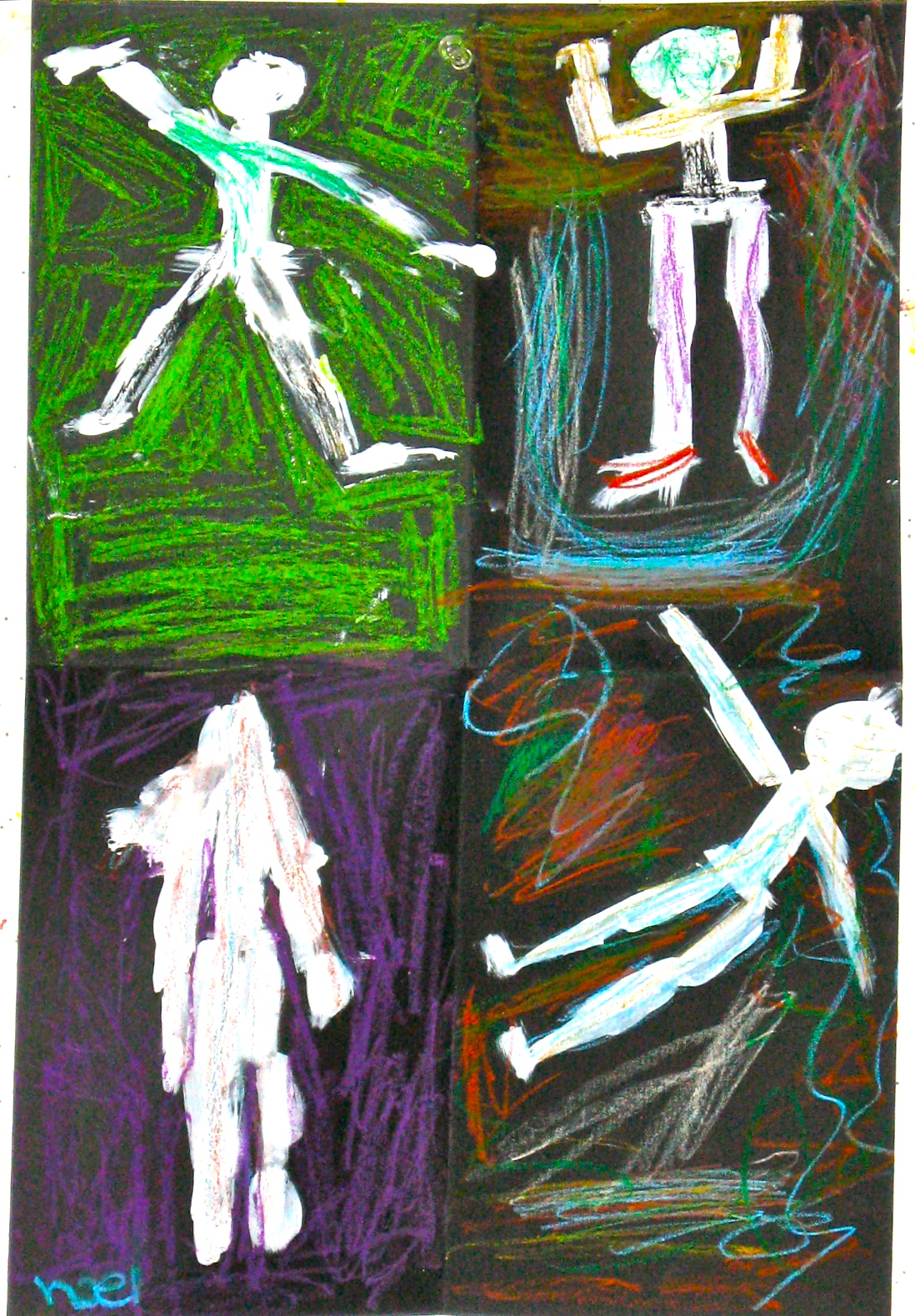
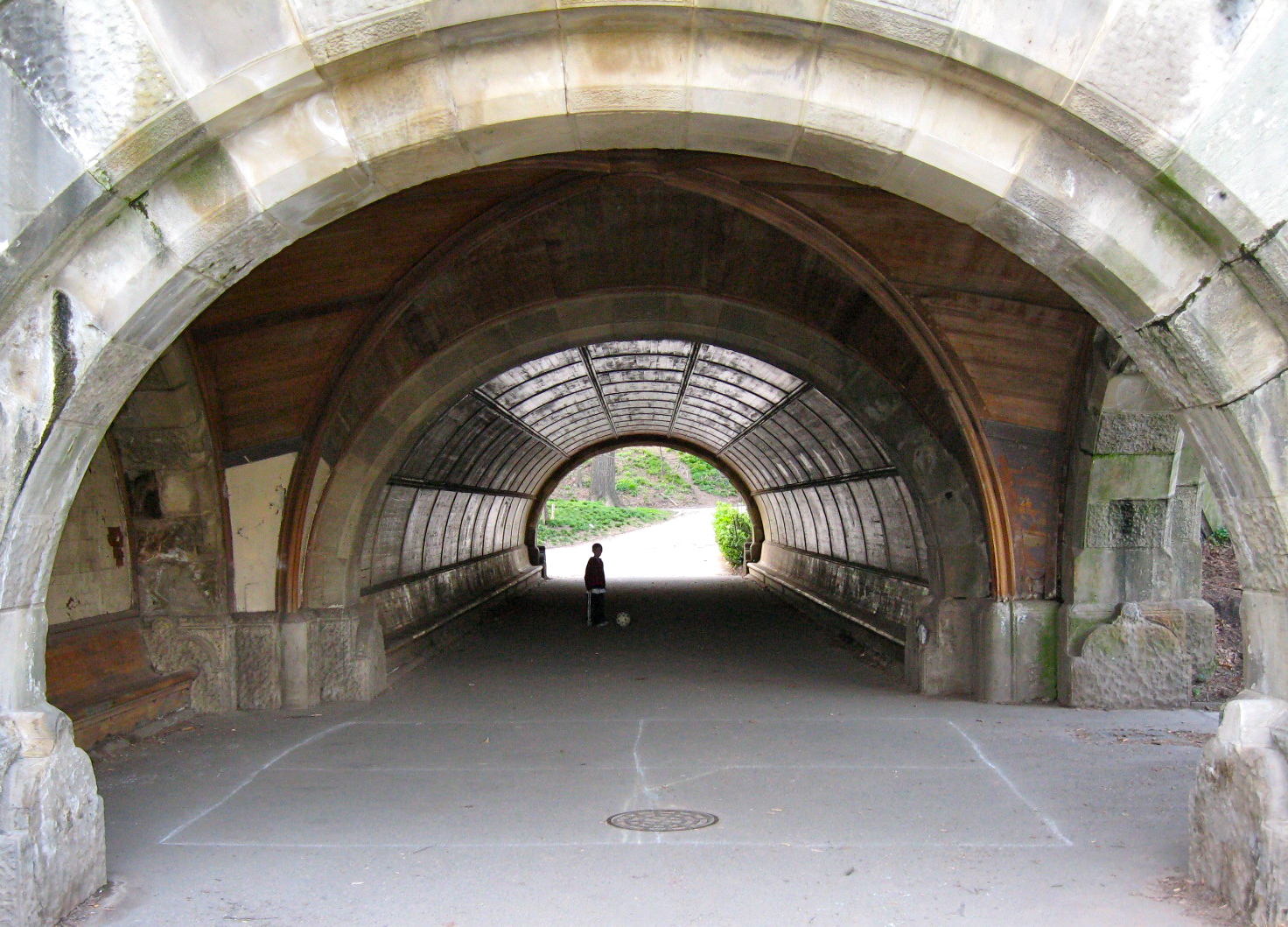
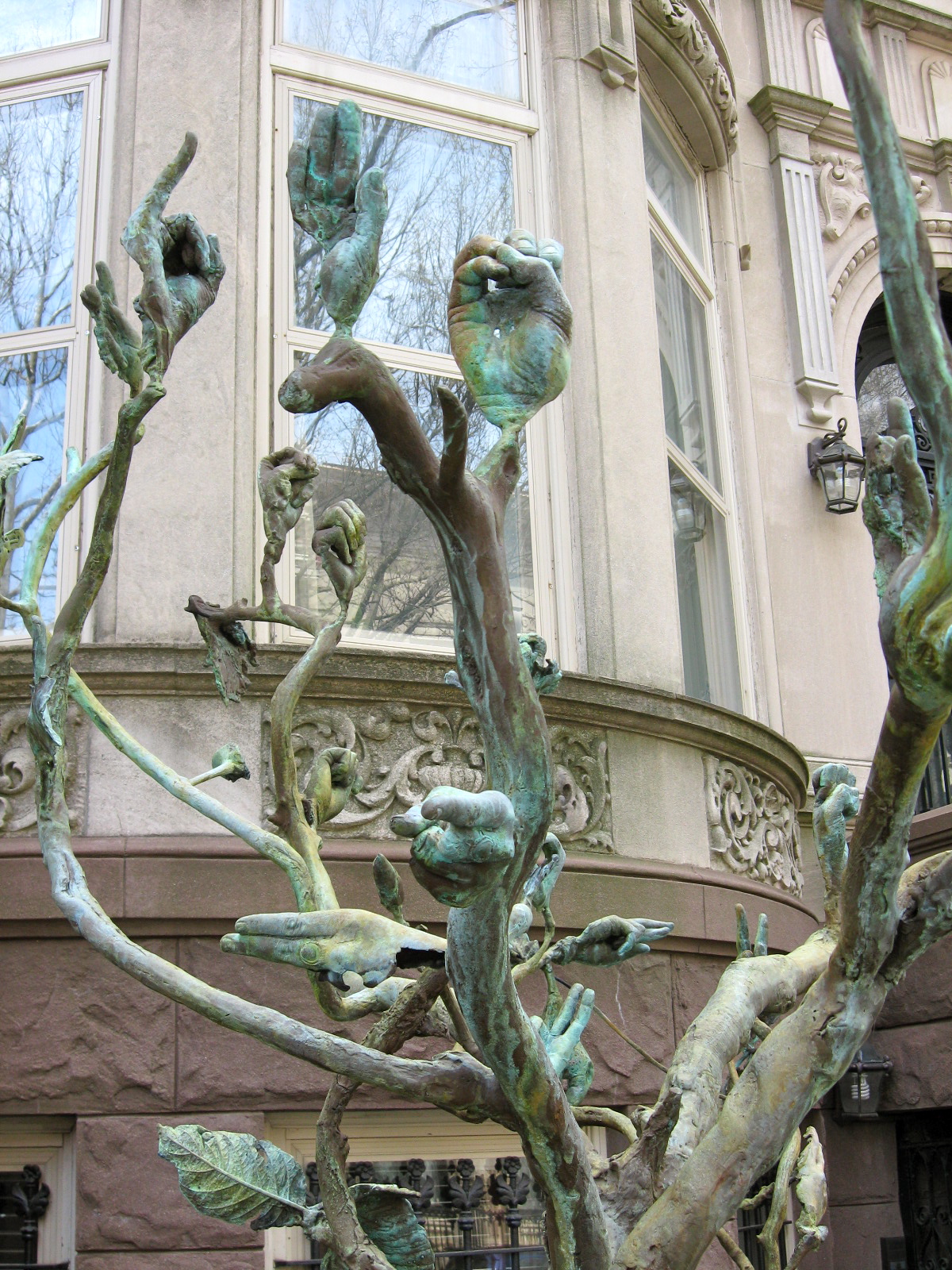
The photos were all taken by the author in the neighborhood of Park Slope, Brooklyn, in 2008, 2009, and 2010.  The first is a photo of an art project my son did in the first grade (2009), drawing the human form.  The second is the tunnel at the northwestern entrance of Prospect Park.  The third is a garden scultpure in front of a house on 2nd Street, near the corner with Prospect Park West.

Bob Dylan was called to be a poet, but the people who loved him wanted him to be a prophet.  It cost him, and some of those loved him, twenty years. After years of reflection, Dylan wrote that by the mid-1980s “[e]verything was smashed.  My own songs had become strangers to me. I didn’t have the skill to touch their raw nerves, couldn’t penetrate the surfaces.  It wasn’t my moment of history any more.  I couldn’t wait to retire and fold the tent”—Chronicles, Vol. One (Simon and Schuster, 2004), p. 148.

Dylan wrote “Disease of Conceit,” in 1987 as he began to explore a new musical identity more aligned with his own sense of self and his mission as an artist. The song would be the eighth track on Oh Mercy, the album that set him on the path to redeeming his career with a whole new audience by the mid-1990s.  In the fall of 1989, I saw him perform at Hill Auditorium on the University of Michigan Campus in Ann Arbor.  It was the third show of his I had seen at that point in my life and by far the best.  Toward the end of the show – as either the closing song or the last encore – he brought down the house with “Disease of Conceit.”  The poetry was breathtaking.

As for those who fall down holes …

Alice on the toad-stool, Central Park, New York, December 20, 2009

3 Comments

Filed under art, freedom, ideas, life, Park Slope, poetry, truth, vanity

E/F – The glass of life

God looked at everything he had made, and he found it very good (Genesis 1:31).

Life is full of contradiction, and so are attempts to understand where life came from, why we are here, and what will become of us.

An old English proverb proclaims:  There but for the grace of God go I. The proverb sums up the randomness of the universe—the order-out-of-chaos, the utter, unexplained, and unaccounted for contingency of life itself—as a matter of Divine will.

Some have interpreted this idea darkly, as for example the Reverend Jonathan Edwards, whose God is angry and holds sinners over the pit of hell “much as one holds a spider, or some loathsome insect over the fire.”  For Edwards, only God’s “pleasure” or “arbitrary will” stood in the way of eternal suffering, and the sinner “hang[s] by a slender thread, with the flames of divine wrath flashing about it …”  Lions and tigers and bears seem meek by comparison—oh my.

For those who dwell on the goodness of the Earth, however, life as a gift of grace is a liberating thought, providing the freedom to leave other-worldly issues alone.  Instead, one’s gaze turns to the things that matter in this world, and in this moment a new kind of human freedom is born.  The world beyond this one is indeed arbitrary and unknowable, but in this world what we do matters.  Here we, not God, are responsible.

This notion of contingency, of the arbitrary nature of causality in the universe, isn’t a terribly God-bound thought.  The grace of God in the proverb can be understood in quite godless terms as the general force of randomness as it functions in the entropy of the universe.  Either way, life is contingent on a lot of things that are completely out of our control, and in that contingency, ironically, good and evil are placed in human hands and human hands alone.

The pitcher and its window sill

A couple months ago, I had a party.  I’d moved into a new apartment and wanted to share the space with some friends.  We prepared for the party all day, cleaning house and eventually going out to buy some good cheese, wine, bread, the makings of spinach salad, and such.  Along the way, my girlfriend bought a dozen yellow roses.

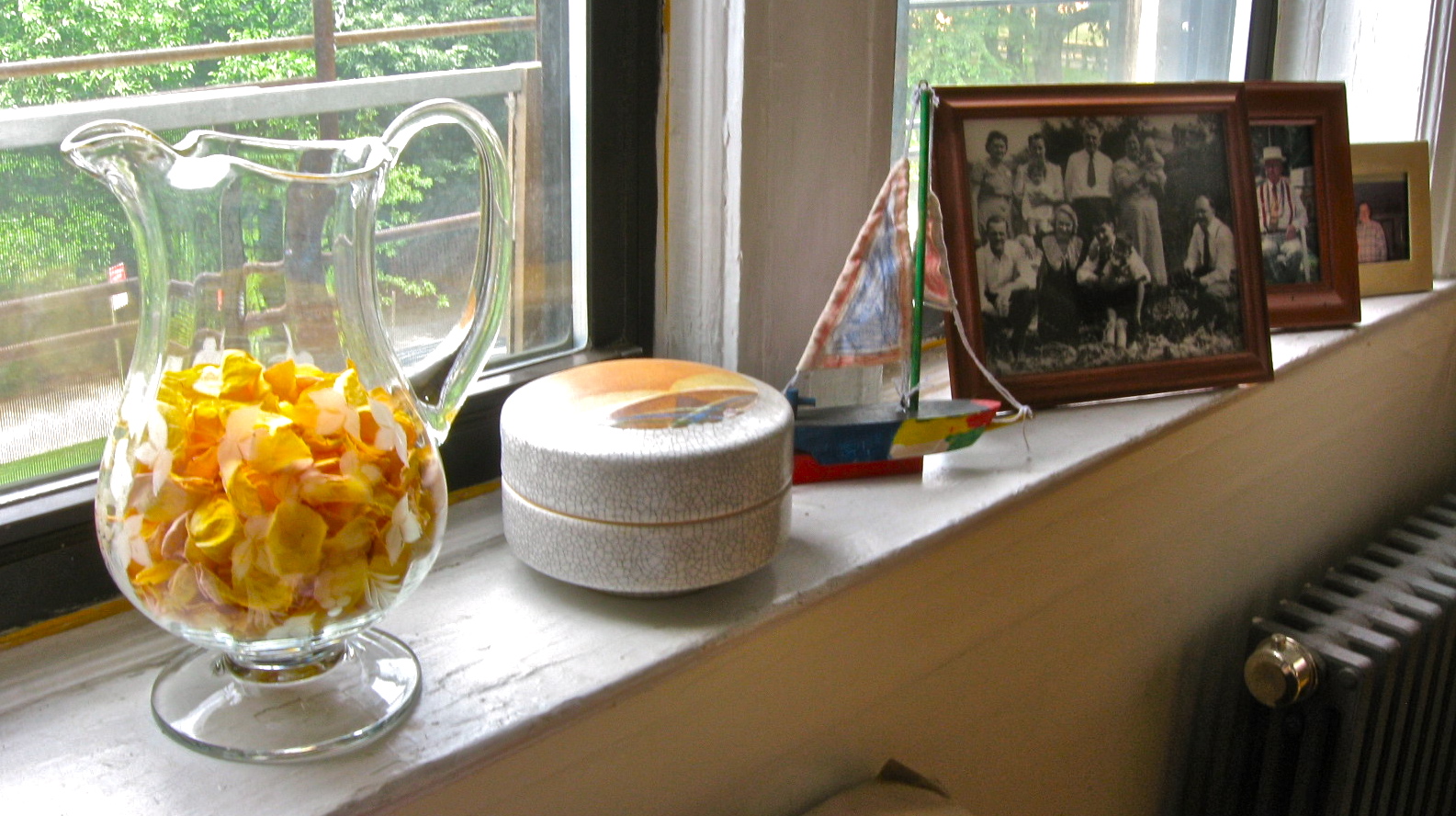
After the party, once the roses had dried, I took the petals from the stems and placed them in a bowl.  I had hoped they would smell like roses and I would crush them to place them in a bowl as potpourri.  Alas, they never smelled so good, but the yellow petals were very pretty and I put them in the pitcher, which sits on the window sill and now adds a dash of yellow to the room.

On this window sill in my living room, I keep a number of things.  There is a ceramic covered bowl that I bought in 1989 the first time I ever went to the Ann Arbor Art Fair.  It was made by Rob Wiedmaier, who worked out of St. Joseph, Missouri.  Next to that is a little wooden toy sailboat that my son made from a kit he received in the gift bag at another boy’s birthday party.  And then there are three photographs of my family.

Buddy-Buddy, Grandpa #1

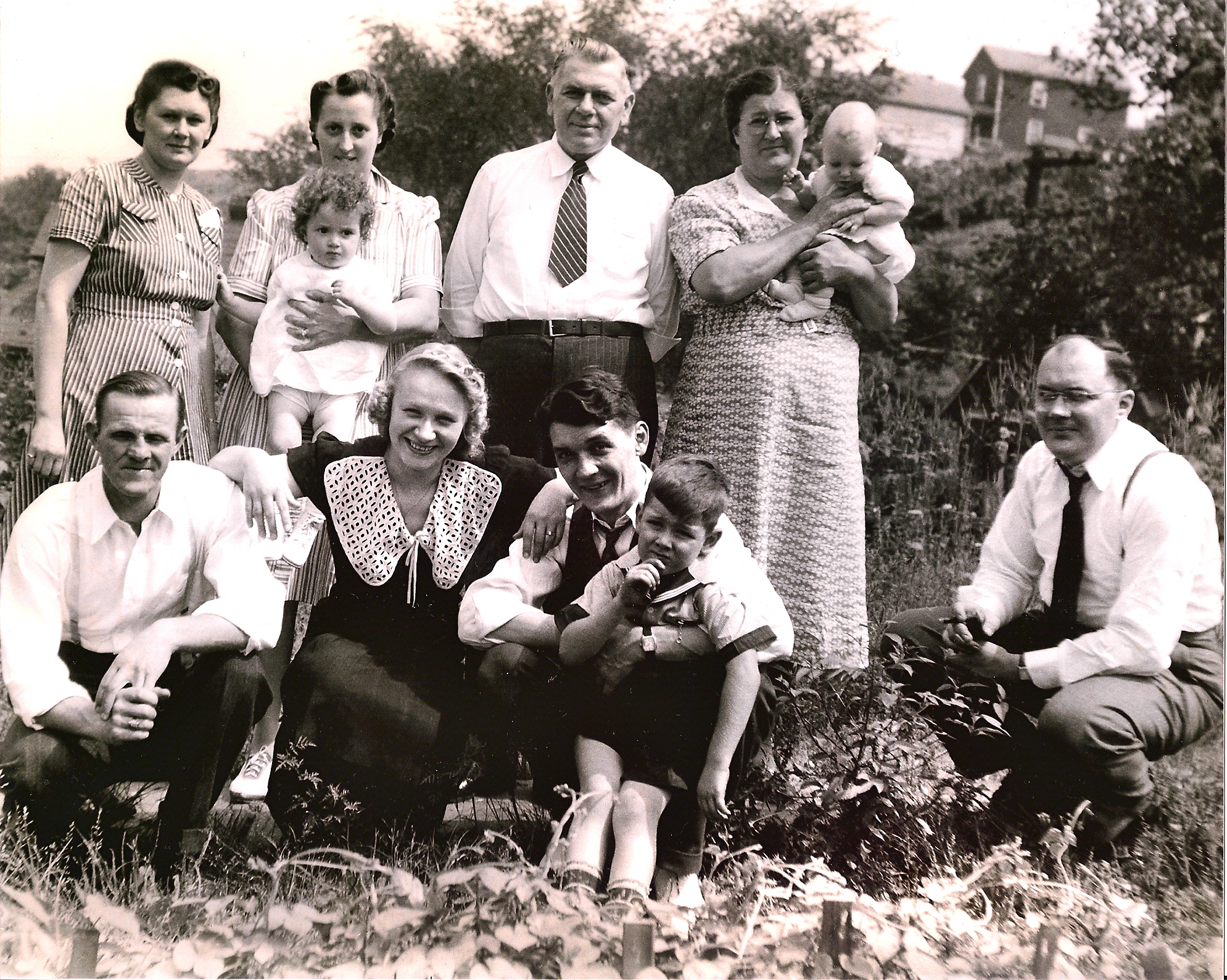
In the first photograph, we have the Krupas, from about 1941 or so.  The patriach, great-grandpa Krupa, stands in the center.  His three children are there—Joe, Johnny, and Annie.  Joe was my grandfather, who my brother and I called “Buddy-Buddy,” because he that’s what he was, our buddy.  Next to great-grandpa Krupa is my grandmother, Joe’s wife, Mary Niznik.  She’s is holding my mother, Mary, who is about one year old in this photo, looking bright with her Shirley Temple curls.  These were good Slovak people from the hills of the Monongahela Valley in western Pennsylvania.

Buddy-Buddy was a steelworker. After he died in 1969, my grandmother came to live with us, and for the next seven years, she was the most wonderful storyteller, babysitter, friend, and ally my brother and I ever had.  She made stuffed cabbage roles, she ground her own meat, and she made the Easter Bread every year, just like in the old country, which she called “Austria-Hungary.”  I took Joseph as my confirmation name in the memory of my Buddy-Buddy.  My brother named his son Joseph.

Grumpy, Grandpa #2

The next photo over is of my other grandfather, Ernest John Guidry, III.  In the photo he is old, in his mid-70s, sitting in his back yard decked out for Mardi Gras.  My brother and I never called him “grandpa.”  We always called him “Grumpy,” a nickname that my mother gave him because he was always so jolly and full of life.  He had 17 grandchildren, and he called each and every one of us “Peanut.”  When this photo was taken, he had recently been diagnosed with Parkinson’s Disease.  He died within a year or two of the diagnosis, thankfully, we all felt.

The good fight

In the final photo, half hidden behind the rest on the window sill, are my mother and father.  They were photographed in the den/living room of their house in River Ridge, Louisiana, the house where I grew up.  I remember the first time I saw the place.  It was in 1973, late summer. Mom took my brother and I there—we were all of 8 and 9—and there wasn’t much of a house.  Just a slab of concrete on a sand lot with lots of trees all around.  There were only four houses on the street.  A couple months later, there was a house on our slab, and we moved.  Such it was in the 70s.  My father still lives there.

The photo is from the better days, before the multiple sclerosis put mom in a wheelchair and changed her body and all of our lives in ways that are all but impossible to describe.  She passed away on June 27, 2007, and for her funeral mass, she had the following read from Paul’s second letter to Timothy, which I forever think of when I think of her—

I for my part am already being poured out like a libation.  The time of my dissolution is near.  I have fought the good fight, I have finished the race, I have kept the faith. —2 Timothy 4:6-7

Consider the lilies

Such is life, with no reason to be and no reason to end, but every reason for the living to live.  Do not ask, but live.  Run the race you are given.  Be simple and don’t strive.  Be like the flowers of the field.

lilies

Consider the lilies how they grow: they toil not, they spin not; and yet I say unto you, that Solomon in all his glory was not arrayed like one of these. —Luke 12:27

Notes and Credits (Grandpa #3)

The photographs of the pitcher, the window sill, and the lily were taken by author.  The window sill was photographed as it appears in my living room.  Behind it, through the window, is the Bowling Green of the Prospect Park Parade Grounds in Brooklyn, which has been the photographic subject of a few postings so far.

The lily grows in my apartment building’s garden next to the sidewalk.  The garden isn’t kept or tended very well.  It mainly just grows there, though I do see Bart’s mother, the landlord, sweeping and cleaning and watering from time to time.  I saw the flower when returning home from a run in the park with my son.

Of all the people in the photographs, only one is still alive, my father.  He is 70 years-old now, in quite robust health, and determined to reach 100.  His odds are better than average.  His father, who was pictured as described, died at 77, quite young for our family.  My father’s mother died at 91.  His grandmother, EJ’s mother, died at 101 or 102.  The rest of our aunts and uncles are in their 80s and 90s.  My odds, on the other hand, are something of a split decision, for my mother’s side of the family—the Krupas and Nizniks—mainly seem to die in their 50s and 60s.  Mom was 67 when she died, like her mother, who made the cabbage rolls and the Easter Bread.  Buddy-Buddy was about 58 when he passed on.  There but for the grace of God go any one of us, on any given day, at any given age.

For the record, my son and his cousins call my father “Grandpa,” because that’s what he is.

The Family Krupa, c. 1941

3 Comments

Filed under ageing, body, entropy, existentialism, freedom, life, philosophy, truth

The truth and every purpose

February 10 , 2010

There is an appointed time for everything,
and a time for every affair under the heavens.

A time to be born, and a time to die;
a time to plant, and a time to uproot the plant.

April 21, 2010

A time to kill, and a time to heal;
a time to tear down, and a time to build.

A time to weep, and a time to laugh;
a time to mourn, and a time to dance.

October 31, 2009

A time to scatter stones, and a time to gather them;
a time to embrace, and a time to be far from embraces.

A time to seek, and a time to lose;
a time to keep, and a time to cast away.

December 21, 2009

A time to rend, and a time to sew;
a time to be silent, and a time to speak.

A time to love, and a time to hate;
a time of war, and a time of peace.

April 29, 2010

Notes and Credits

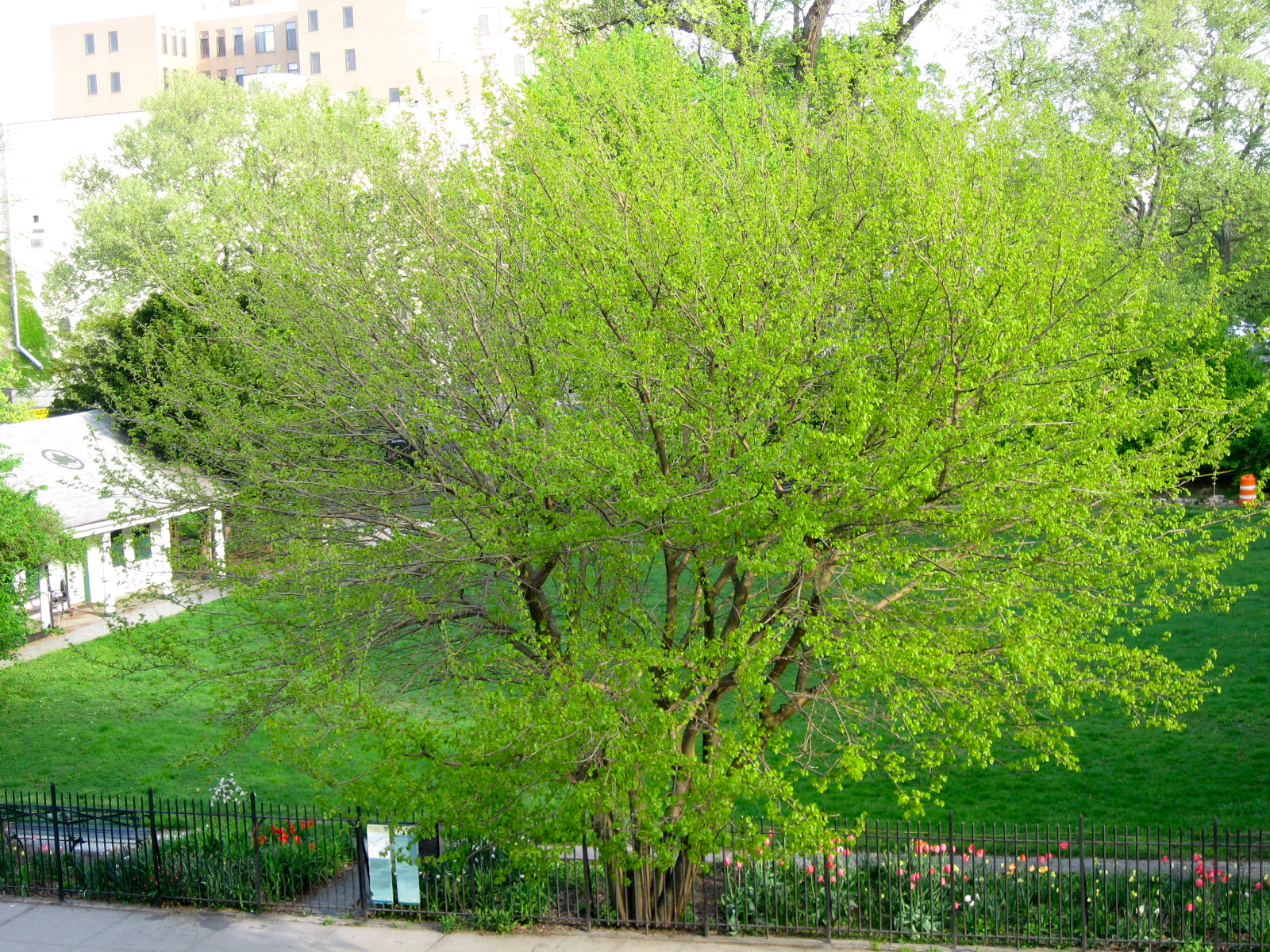
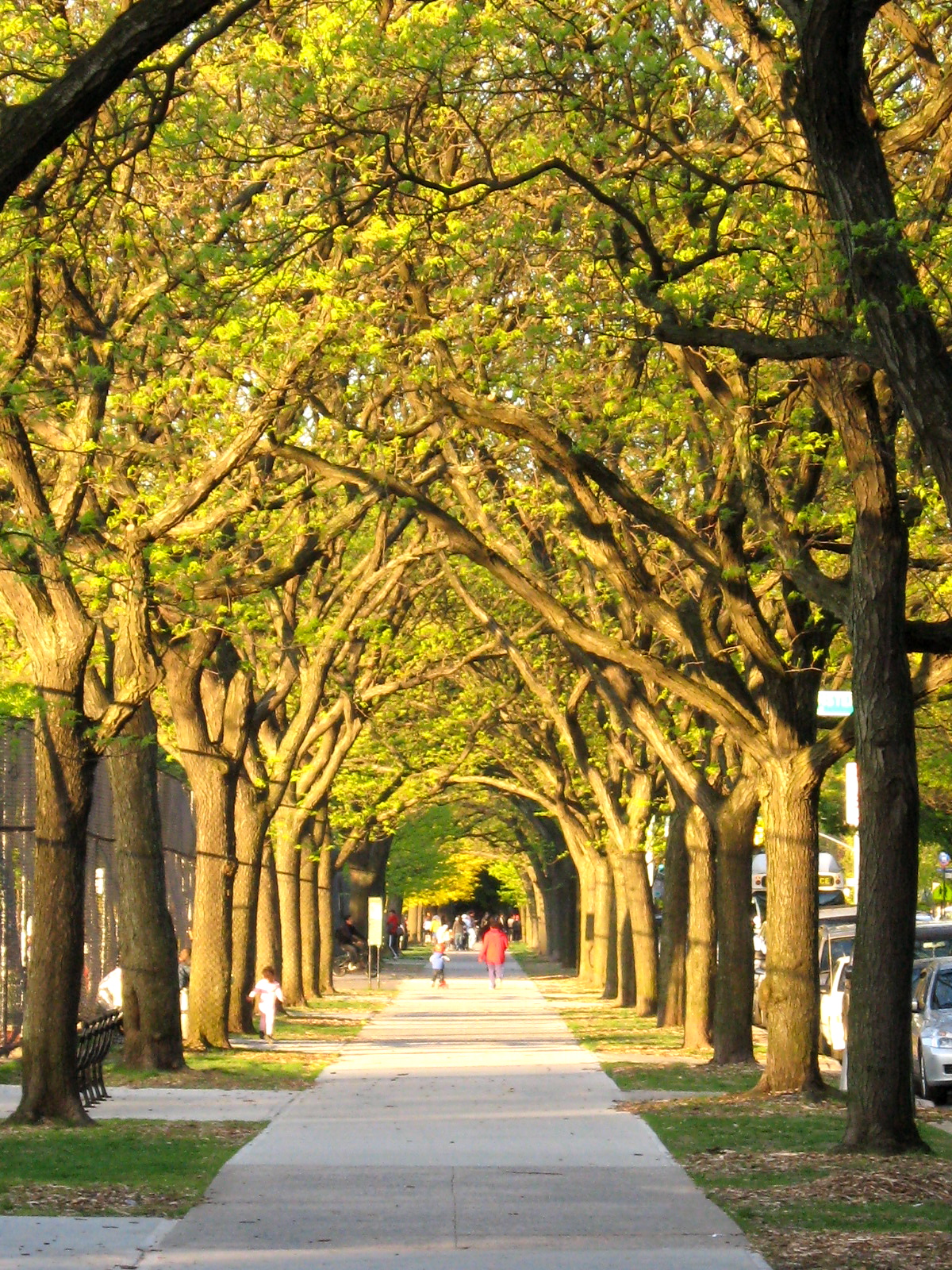
The photos of the tree at the beginning of this post were taken by the author from my dining room window on Caton Avenue in Brooklyn, 11218.  The tree is in the Bowling Green of the Prospect Park Parade Grounds.

The photos of the trees forming an arch over the sidewalk were taken by the author at the Prospect Park Parade Grounds, Caton Avenue sidewalk, 11218.

The story:  Ecclesiastes 3:1-8

And a time to sing whilst riding on horses …

4 Comments

Filed under beauty, death, existentialism, freedom, ideas, life, Park Slope, philosophy, truth, vanity

The truth and money

The truth is that money is often a divisive influence in our lives.  We keep our bank balances secret because we worry that being candid about our finances will expose us to judgment or ridicule—or worse, to accusations of greed or immorality.  And this worry is not unfounded.

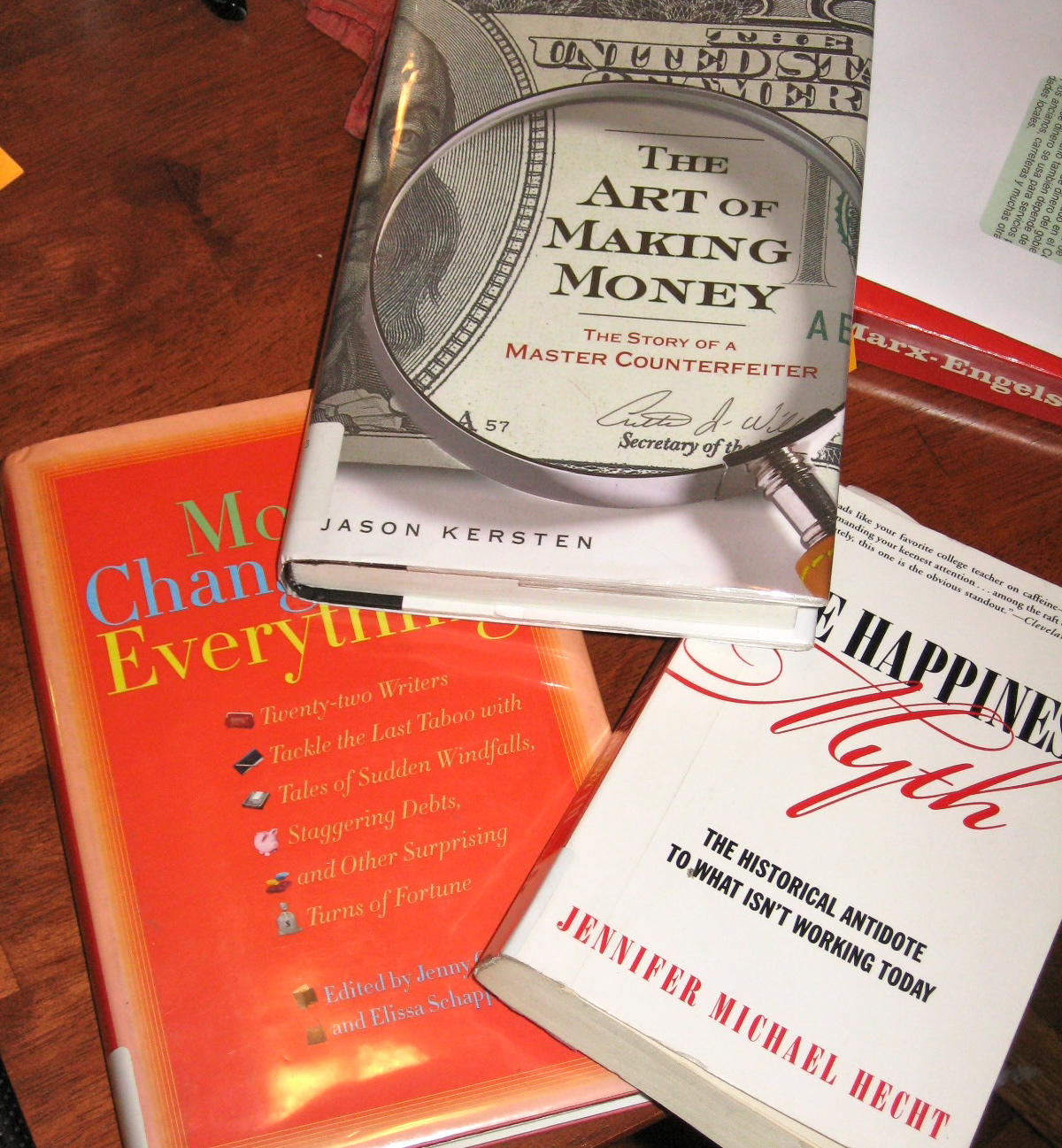
Jenny Offill and Elissa Schappell, Money Changes Everything (New York:  Doubleday, 2007), p. xi

Brooklyn Reading Works:
The Truth and Money

On April 15, 2010, the Brooklyn Reading Works will present its monthly writers’ program on “tax day.”  This happy accident, observed last summer in a casual conversation over coffee with Louise Crawford, resulted in the idea for a panel called “The Truth and Money,” a reading and Q & A with three authors whose work has taken on money in some significant way.

Our three panelists are:

Elissa Schappell, a Park Slope writer, the editor of “Hot Type” (the books column) for Vanity Fair, and Editor-at-large of the literary magazine Tin House. With Jenny Offill, Schappell edited Money Changes Everything, in which twenty-two writers reflect on the troublesome and joyful things that go along with acquiring, having, spending, and lacking money.

Jennifer Michael Hecht, a best-selling writer and poet whose work crosses fields of history, philosophy, and religious studies.  In The Happiness Myth, she looks at what’s not making us happy today, why we thought it would, and what these things really do for us instead.  Money—like so many things, it turns out—solves one problem only to beget others, to the extent that we spend a great deal of money today trying to replace the things that, in Hecht’s formulation, “money stole from us.”

Jason Kersten, a Park Slope writer who lives 200 feet from our venue and whose award-winning journalism has appeared in Rolling Stone, Men’s Journal, and Maxim.  In The Art of Making Money, Kersten traces the riveting, rollicking, roller coaster journey of a young man from Chicago who escaped poverty, for a while at least, after being apprenticed into counterfeiting by an Old World Master.

Please join us for the event at 8:00 p.m. on Thursday, April 15, 2010, at the Old Stone House in Washington Park, which is located on 5th Avenue in Park Slope, between 3rd and 4th Streets, behind the playground.

Read about all the Brooklyn Reading Works events at Only the Blog Knows Brooklyn and the BRW website.  For info on the Old Stone House and its role in the Battle of Brooklyn (1776) and contemporary life in Park Slope, go here.

Many thanks from all of us at Truth and Rocket Science to Louise Crawford, of Only the Blog Knows Brooklyn, for making this possible.

Money, It’s a Gas

The subtitle on the cover of Elissa Schappell’s book says everything you need to know about the stories within:  Twenty-two writers tackle the last taboo with tales of sudden windfalls, staggering debts, and other surprising turns of fortune. “The last taboo” is how Schappell and her co-editor, Jenny Offill, characterize our behavior when it comes to money, because nobody really wants to talk about it.

People are secretive and embarrassed—for having too little, or too much, or something to hide about the reasons either way.  In a country where everyone seems to have a story of how they, or their parents or grandparents, used to be poor, any personal narrative but “hard work” is out of the question.  Even hardened criminals revel in detailing the blood, sweat, and tears that go into their “work.”  No one, it seems, can sit back and say with no embellishment or apology, “I got lucky, that’s all.”  Money is the measure of what we deserve, and in our society what we deserve is in some sense who we are.

In The Happiness Myth, Jennifer Michael Hecht seeks to disentangle why things that are supposed to make us happy frequently don’t.  To the notion that “money doesn’t buy happiness,” she shows that it does, to an extent.  For most of human history (and pre-history), people have lived in conditions of terrible, frightening, life-threatening scarcity that money in no small part has eradicated for all but a very small fraction of Americans.  (In line with Schappell’s notion of money-taboo, I now feel the urge to apologize and state something statistical about hardship and inequality in America, but I won’t.  We deserve ourselves and all of our money issues.)  Hecht writes,

“We need to remember that most people through history have been racked by work that was bloody-knuckled drudgery, the periodic desperate hunger of their children, and for all but the wealthiest, the additional threat of violent animals.  Nowadays a lot of what we use money for is a symbolic acting-out of these triumphs.”

Once out of poverty, in other words, what we do with money—or more precisely the things we feel when using money—have a lot to do with ancient urges and inner conflicts that endure in our minds, bodies, and culture across time and without, so it seems, our self-conscious awareness of them.  Money does buy happiness, up to the point we’re out of poverty, and then the real problems begin.

Like the craving for fat and things that are sweet, the urges we satisfy with money are deeply embedded in our being, fundamental to the way we evolved in the most far-away places and times.  It’s all fine and easy to understand or forgive, but we all know what happens when you eat too many doughnuts.

Doughnuts to Dollars

Yet money is not like a doughnut.  This we all know—money isn’t some thing, it’s just some non-thing you use to get doughnuts or whatever else you think you need.  The economists’ word for this quality is fungible.  Adam Smith introduced money in his great book on wealth by reviewing the things that societies have used for exchange measures over time, including cattle, sheep, salt, shells, leather hides, dried codfish, tobacco, sugar, and even “nails” in a village in Scotland that Smith knew of.  All this was terribly inconvenient, and Smith noted that the use of precious metal as a stand-in for things of value constituted a considerable advance—

“If, on the contrary, instead of sheep or oxen, he had metals to give in exchange for it, he could easily proportion the quantity of the metal to the precise quantity of the commodity which he had immediate occasion for.”

Money in this sense becomes nothing but a means of measurement, and it would be perfect indeed if money’s effects on the world ended there, but we all know that they don’t.

Money—as Elissa Schappell and Jenny Offill, Cyndi Lauper and conventional wisdom tell us—changes everything.  Money’s magical qualities go well beyond simple notions like greed.  Money’s powers are existential, transformative, and really weird.  Money makes us into things we are not.  Karl Marx was pretty blunt about this—

“Money’s properties are my properties and essential powers … what I am and am capable of is by no means determined by my individuality.  I am ugly, but I can buy for myself the most beautiful of women.  Therefore I am not ugly, for the effect of ugliness—its deterrent power—is nullified by money.  I, in my character as an individual, am lame, but money furnishes me with twenty-four feet.  Therefore I am not lame.  I am bad, dishonest, unscrupulous, stupid; but money is honored, and therefore so is its possessor.  Money is the supreme good, therefore its possessor is good.  Money, besides, saves me the trouble of being dishonest:  I am therefore presumed honest.  I am stupid, but money is the real mind of all things and how then should its possessor be stupid?”

Marx may have fallen short as an economist, but then again so do most official economists.  In terms of money’s most basic ontological properties, however, it’s worth noting that he got money right.

The Glow

In the story of master counterfeiter Art Williams, Jason Kersten tells one such story of how money changes people, their values, and the truths that bind them together.  Art’s counterfeit was of an extraordinarily high quality, and its effect on people was fascinating to behold.  Art called it The Glow—“They would get this look on their face … a look of wonder, almost like they were on drugs.  It was like they were imagining the possibilities of what it could do for them, and they wanted more.”

Like the anonymous subjects of history in Hecht’s writing (note:  that’s us), Art wanted something that money, or the lack of it, had apparently stolen from his life.  Art’s “pursuit had very little to do with money, and the roots of his downfall lay in something impossible to replicate or put a value on.  As he would say himself, ‘I never got caught because of money.  I got caught because of love.’”

So where does money get us?  It’s easy to tell stories of money and doom, but we all know that without enough of it we’d be unable to do anything we need to do, let alone the supposedly unnecessary things that seem to make up for the drudgery of a life built upon doing the things we need to do.  Is the grubbiness of money as it comes off in the Pink Floyd song all there is to it?  Or is there more?

Join us on April 15, after affirming the give-away of twenty-eight percent (for most of us) of your annual harvest.

Questions:  jguidry.7@gmail.com or 212.729.7209.

Credits and Notes

Many thanks to Louise Crawford for inviting me to curate the Tax Day BRW panel, through the Truth and Rocket Science blog.  A sincere debt of gratitude, not to mention late fees, is owed to the Brooklyn Public Library, for enabling my research and inquiry into this topic.  The BPL’s copies are indeed those photographed on my dining room table to lead the blog post.

Jenny Offill and Elissa Schappell, Money Changes Everything (New York:  Doubleday, 2007).

Jennifer Michael Hecht, The Happiness Myth (New York:  Harper One, 2007), p. 129.

Adam Smith, The Wealth of Nations, in Robert L. Heilbroner, ed., The Essential Adam Smith (New York:  W. W. Norton, 1986), p. 173.

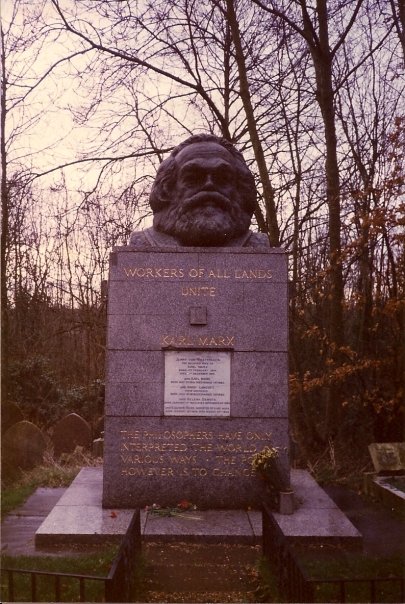
Karl Marx, Economic and Philosophic Manuscripts of 1844, in Robert C. Tucker, editor, The Marx-Engels Reader, 2nd ed. (New York:  W. W. Norton, 1978), p. 103.

Jason Kersten, The Art of Making Money (New York:  Gotham Books, 2009), p. 152 (first quotation) and p. 4 (second quotation).

Photo Karl Marx’s grave, Highgate Cemetary, London, taken by the author in January, 1994, while on layover on the way to South Africa and its historical elections later that year.

5 Comments

Filed under Adam Smith, art, beauty, body, freedom, ideas, individuality, love, money, myth, philosophy, riches, truth, vanity

The truth and the still

Parintins, Brasil 1993

The still photograph is not so still.  The photograph asks questions.  It suggests a story.  It presents an idea in a language without words.  It is even as it signifies. Video killed nothing, and the still photograph survives (even as the radio star carries on).  Unlike video, you can take the still photograph in.  You have a role in your experience of the photograph.  It speaks to you at a speed that you can handle, that doesn’t overwhelm, that invites your participation and imagination.  You can look into its nooks and crannies and seek out all it has to offer.  All this at your own pace, and for your own reasons.

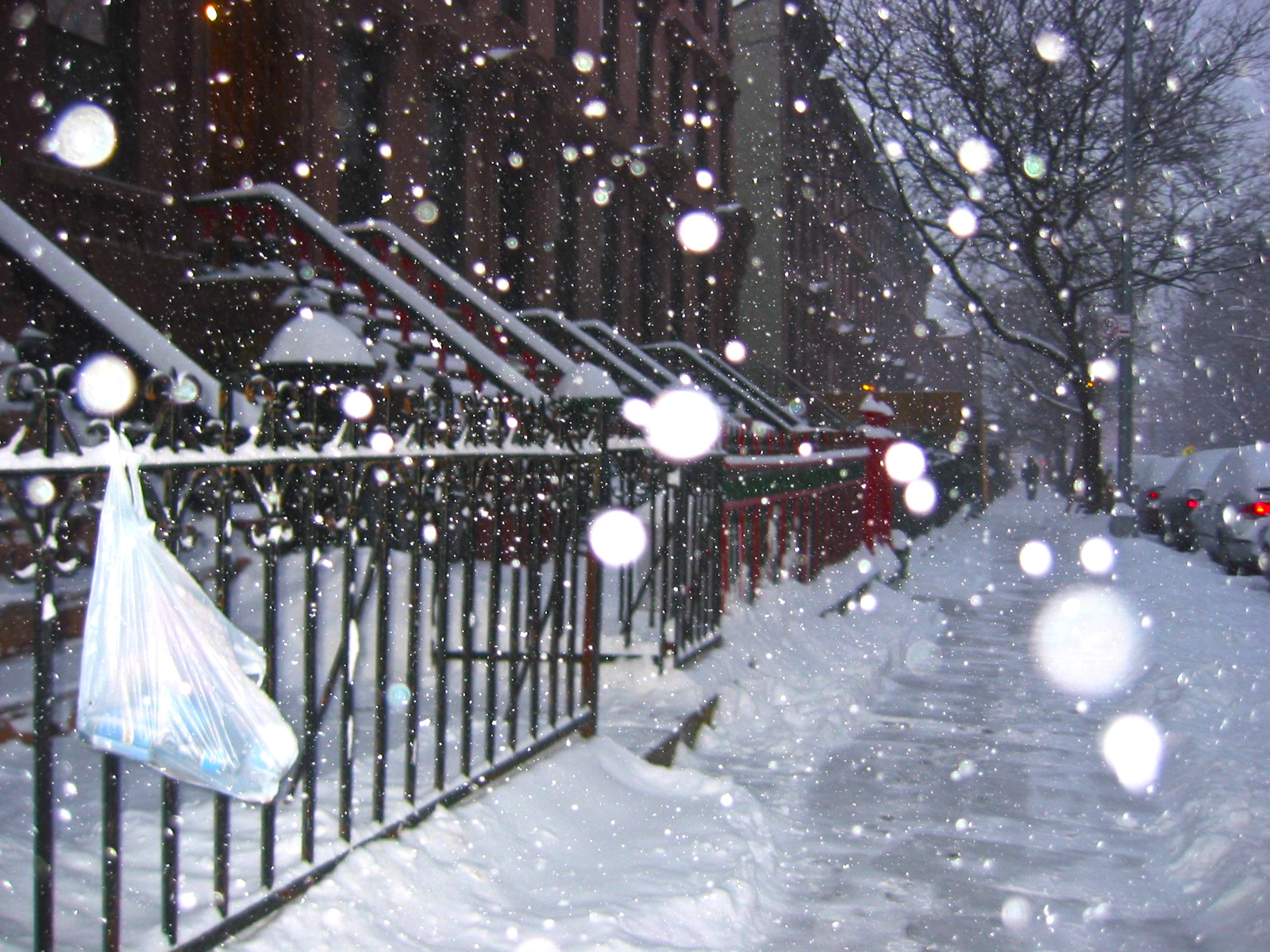
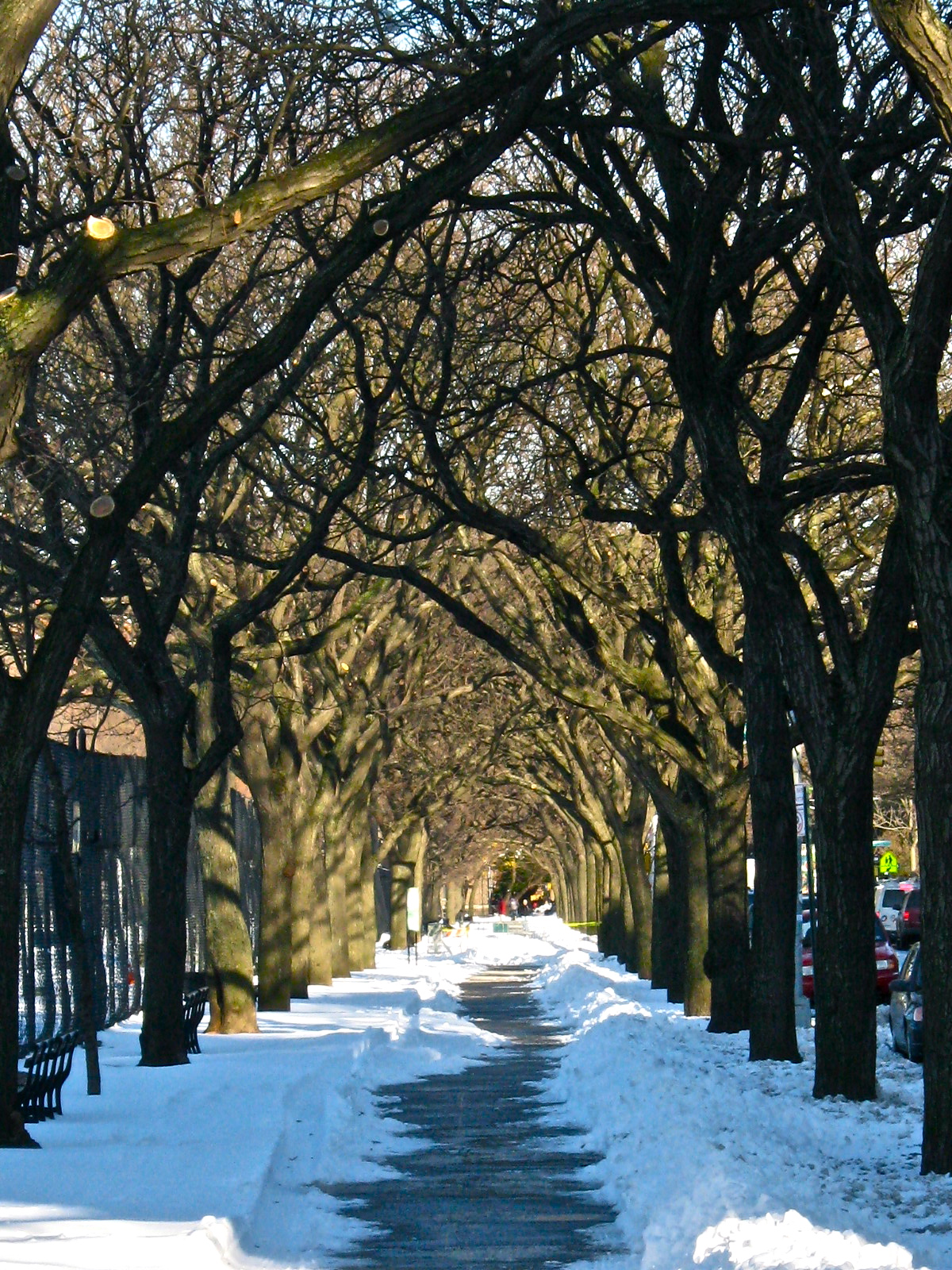
Snow on Sterling Place, Brooklyn 2005

The still photograph is a water that runs deep.  If it seems to sit there, that’s its charm.  The still makes you active, because it’s impossible to just look.  Indeed, that’s the point, and all the while the still is not nearly inert.  It just moves differently, at a different pace, like a tree.

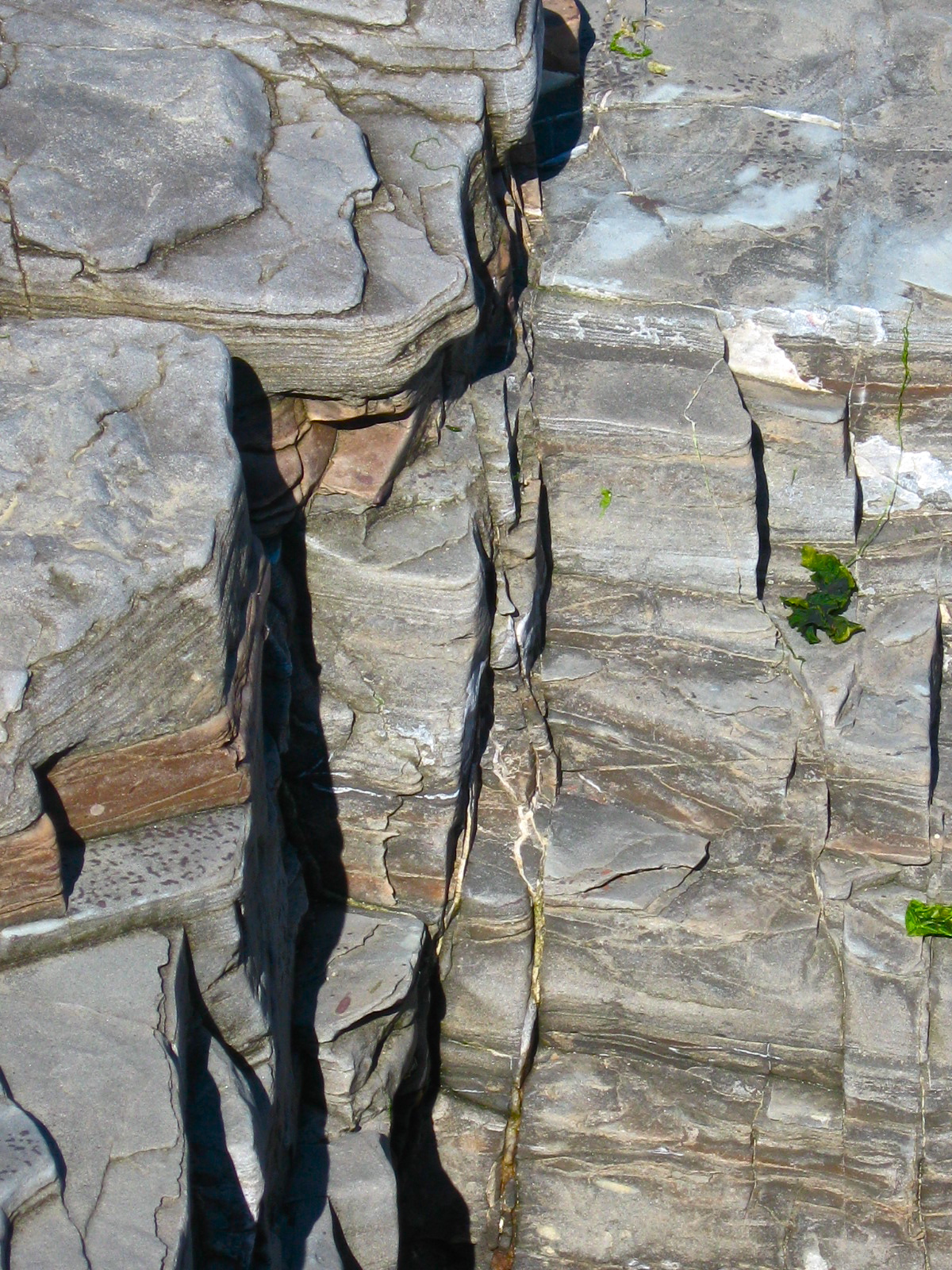
Detail of a rock on the beach, Long Island Sound, 2009

You fill the stillness with motion, the silence with voices.  You hear these people, feel the breeze come across the flowers, sympathize with a long face or smile with happy eyes.  Or you imagine the immediate suspension of all motion and noise and concentrate on only the image and the miracle of capturing time itself.

Intensity . . .Prospect Park, Brooklyn, 2009

Video?  Its harsh, grating noise, the motion too fast to keep up with – video steals your ability to think about what you’re seeing and replaces your mind with its own images.  The difference between the still photograph and video is the difference between democracy and dictatorship.

Fixing the sidewalk, Prospect Park Parade Grounds, Brooklyn 2009

Notes and Credits

On December 15, 2009, I had the opportunity to hear two award-winning photographers, Lynsey Addario and Damon Winter, discuss their work at the Museum of the City of New York.  After the panel discussion, one member of audience asked them if they were experimenting with video, given the prominence of video on the Web and current developments in social media and journalism.  Of course they were interested, but they were still committed to the still photograph.  That’s what got them aroused in the first place, and the still continues to drive them today.  Moderater Kathy Ryan, photo editor for the NYT Magazine, chimed in that photos are still much more popular than videos on the Magazine’s website, perhaps because the photos allow the viewer to control what they are seeing.  So that got me thinking . . .

Sidewalk fixed, December 2009

All the photos featured in this post were taken by the author.  Go back and double-click them to see a larger view.  Enjoy.  If you want to see some interesting and incredible photos by others more talented and adept with shutters than I, check out the work of some friends at T’INGS, Chloe, and the No Words Daily Pix on Only the Blog Knows Brooklyn.

Astor Place, New York 2009

6 Comments

Filed under art, beauty, Brazil, freedom, ideas, journalism, life, media, Park Slope, philosophy, politics, truth

E/F – The glass of history

halfglass-kaoru-1

“We do not draw the moral lessons we might from history … In history a great volume is unrolled for our instruction, drawing the materials of future wisdom from the past errors and infirmities of mankind …  History consists for the greater part of the miseries brought upon the world by pride, ambition, avarice, revenge, lust, sedition, hypocrisy, ungoverned zeal, and all the train of disorderly appetites which shake the public with the same.”

This passage from Edmund Burke’s Reflections on the Revolution in France, written as the French Revolution began in 1789, is shot through with contradiction, like Burke himself.  It takes a little more time to digest than a shot of Santayana – Those who cannot remember the past are condemned to repeat it – or the oft-cited quip, We learn from history that we learn nothing from history, which is often attributed (erroneously, it seems) to George Bernard Shaw.  But it’s worth it, because Burke got it right.

Notes and Credits:  Burke and history and quotations

This quotation from Burke is taken from the Google books archive, which features the 2nd Edition of the Reflections on the Revolution in France, printed in London for J. Dodsley, M.DCC.XC (1790), pp. 207-08.

Burke’s writing fleshed out the impassioned complexity of his own life and commitments.  As a member of parliament in the 1770s, he was a staunch supporter of the American Revolution, something of a libertarian.  With the fall of the Bastille, however, he became enraged at the treatment of the French royal family and the disregard for history and tradition by the revolutionaries and their Enlightenment muses.

In the Reflections, he seems to predict the horror that would follow in the “Reign of Terror,” as well as the problems of revolution in general, and this work became the foundation of modern conservatism.  Interestingly, the degree to which a conservative relies on Burke in his or her own thinking is the line between the intellectual side of the movement (George Will, David Brooks, Thomas Sowell) and the populist mobs (Glen Beck, Rush Limbaugh) that one such as Burke would so rightly disown.  (Note:  George Will’s use of Burke to attack blue jeans is just silly, but Will has earned it.)

A searchable, copyable, full text of Burke’s Reflections is available here.  As a life long leftist, I don’t share the commitments that George Will and David Brooks have, but I do admire complex thinking and impassioned writing.  As Sina Odugbemi points out, Burke’s supposed “conservatism” was really about finding the appropriate – and constant – means for reform of the state:  “You reform in order to conserve; without reform you cannot really conserve a political system.”  If only the opponents of health care reform had the tact and intellect of Burke.

In response to a call-out on Facebook to find out where the G. B. Shaw statement mentioned above came from, my friend Katie replied with:

I tried to use the power of the internets, and what the internets are telling me is that I should infer that it is a popular misattribution. It’s not on his Wikiquote page, but it was on the Anonymous Wikiquote page for a while–if you look at the talk page someone mentioned a similar quote attributed to Otto von Bismarck. Here is an actual political scientists saying it’s popularly attributed to Hegel: http://bit.ly/1Xp8RD .

Notes and Credits:  The teacup

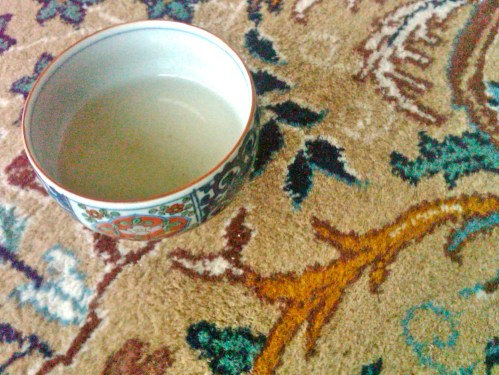
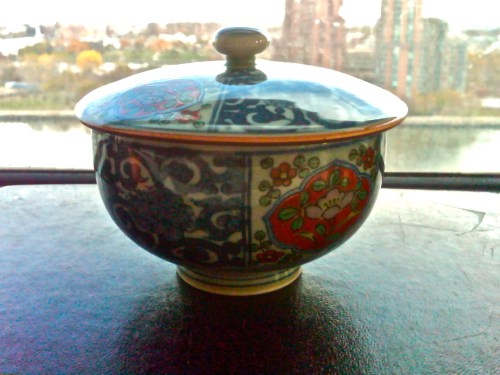
The Chinese teacup in the photograph is half-filled with lukewarm jade tea.  It belongs to Kaoru Wang, a friend who responded to my call-out for photos of half-filled glasses in the first E/F posting.  The teacup has been in her family for “years and years and years.”  She photographed it on a pretty carpet of unknown origin.  She sent another photograph showing the cup with its cap, which lets you keep the tea warm while taking your time to drink it over pleasant conversation or in reflective solitude.

halfglass-kaoru-4

Teacup, with cap

The tea itself was given to Kaoru by a friend who left his family’s tobacco business in order to build a tea company in Vancouver, bringing his knowledge and experience with leaves into a concern that could contribute positively to the health and well-being of his customers.  Among his clients are some of the most prestigious hotels around the world.

In her note to me about the teacup and its surroundings, Kaoru wrote that it is “comforting to reflect how much history and warmth there is in the most basic of items,” a sentiment that drives my own writing here and elsewhere.  Kaoru’s observations about life, her experiences, and her work can be found here.  She is currently making a film about education and change called “The Killer App,” which she writes about in several places, including the film’s blog under its previous title, “Something Far Finer.”

halfglass-kaoru-3

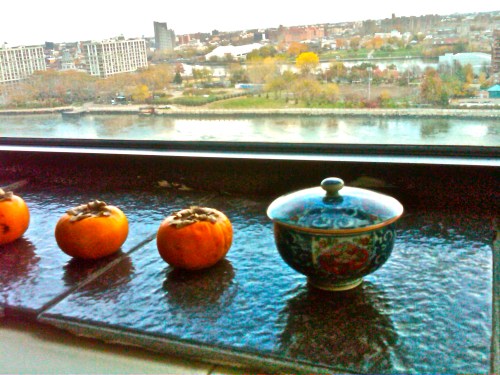
... with persimmons and more of Roosevelt Island

Through the window, behind the teacup, we have a blurred view of Roosevelt Island, a 2 mile long sliver of land in the East River between Manhattan and Queens.  A self-contained family farm from the late 1600s to 1828, it was known as Blackwell’s Island (after its owners) for most of its modern history, being named for FDR only in 1973.  After the Blackwells sold the island to the city in 1828, it was given over to “a long succession of institutions and hospitals,” which included a lunatic asylum (“The Octagon,” so called for its signature building); a hospital; a Smallpox laboratory (The Strecker Laboratory); and a prison that at one time or another housed Boss Tweed, Emma Goldman, Mae West, and Billie Holiday.

In 1969, the city leased the island to the State of New York Urban Development Corporation, which has created a unique urban community on the island.  Home to about 12,000 people today, the island is closed to car traffic and accessible by bus and tram.  The Roosevelt Island tram is a notable piece of New York architecture, frequently featured in films and television (CSI: New York, City Slickers, The Professional, Spider-Man, Cold Souls, and others).  The residential buildings have innovative designs – such as duplex (multi-story) apartments that make is possible for the elevators to stop only every 3 floors.  In the spirit of contemporary wealth-and-consumption-driven governance and planning, The Octagon has been restored and is now a high-end apartment community with a mall and a lot of solar panels.

1 Comment

Filed under beauty, freedom, ideas, order, politics, revolution, truth, war